


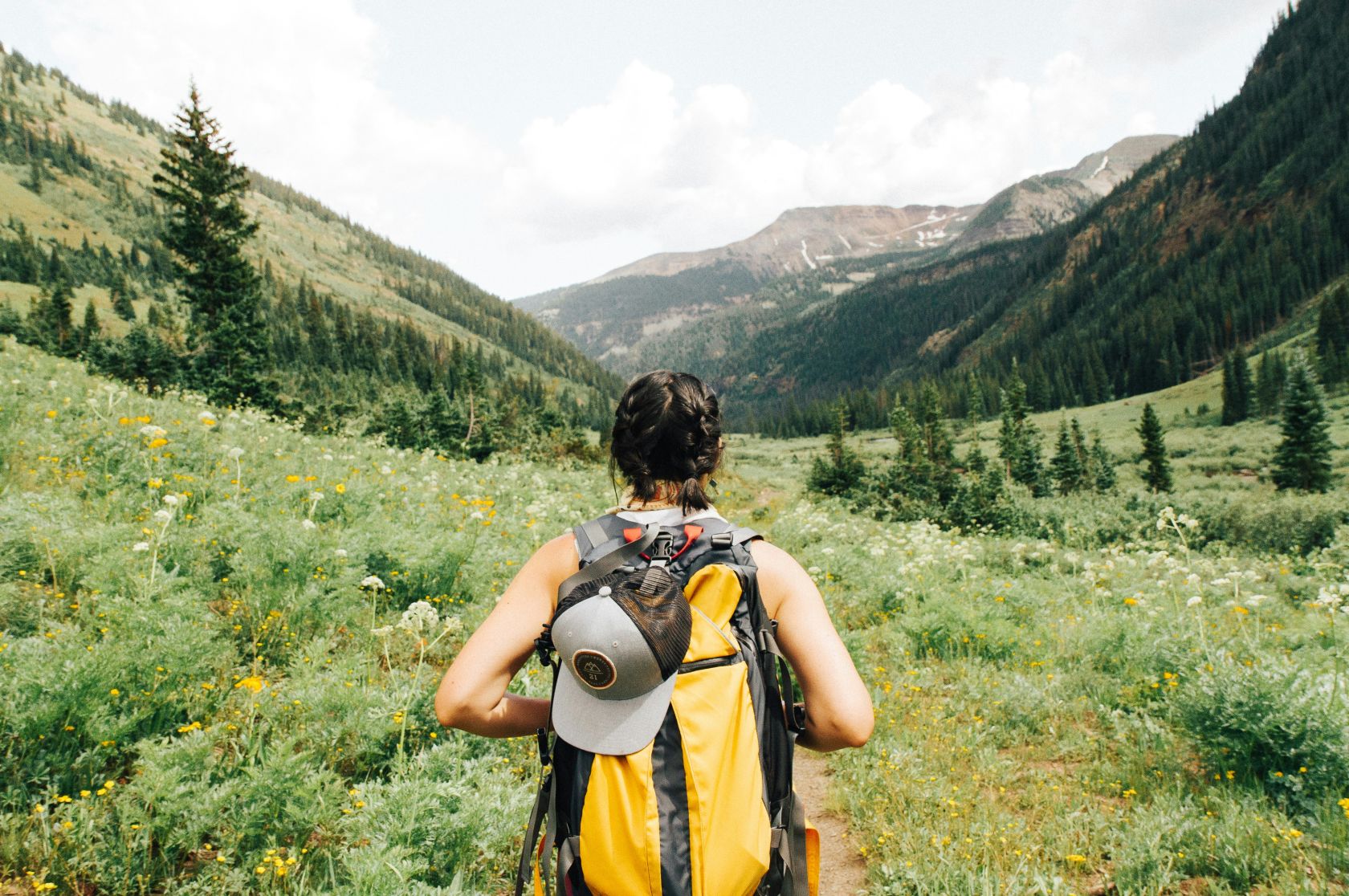
For 40% of those surveyed, the biggest attraction is having complete freedom over where to go, what to do and how to organise each day. Another 35% said they would travel alone simply to experience what it is like, while 33% see it as an opportunity to get to know themselves better.
Not everyone chooses a solo trip entirely by preference. Around 28% said they might travel alone because friends or family were unavailable, while 22% would welcome the chance to meet new people along the way. Only 12% said they could not think of any reason that would persuade them to travel by themselves.
Planning comes first
Although solo travel is often associated with spontaneity, Portuguese travellers still prefer to prepare carefully before leaving home.
Almost half of respondents, 45%, said planning tools were the most important items for a solo trip. These include GPS or maps, tickets booked in advance and apps that make it easier to organise activities and keep track of reservations.
Safety was the second-biggest concern, mentioned by 25% of those questioned. Money belts, first-aid kits and emergency contact details were among the items travellers said they would want to carry.
Comfort came next, at 20%, with respondents mentioning suitable clothing and footwear, snacks and travel pillows.
The results are similar to those recorded in the previous edition of the study in 2023. Planning was also the main priority at the time, selected by 41%, followed by safety and comfort.
The figures suggest that while Portuguese travellers may be attracted by the independence of travelling alone, many are not prepared to leave everything to chance. Having accommodation, transport and important details organised beforehand appears to make the idea feel less daunting.
A chance to become more independent
Many respondents also believe solo travel can change the way people see themselves.
Developing greater independence was the most commonly mentioned benefit, selected by 40%. Travelling alone means making decisions without relying on someone else, dealing with unexpected problems and becoming more comfortable with your own company.
Mental clarity was another important factor. Around 37% said a solo trip could help people return home with a clearer idea of their personal goals.
A further 30% believe travelling alone can make people more open to other cultures and different ways of thinking. Some respondents, 20%, also associated it with developing greater empathy and feeling more connected to the world around them.
There were, however, noticeable differences between age groups.
Among respondents aged 65 and over, 37% said travelling alone would not have a significant effect on their view of life. Younger travellers were much more likely to see it as a useful personal challenge.
More than half of post-millennial respondents, 53%, said solo travel could help them realise they are capable of enjoying their own company and dealing with situations independently.
Solo travel is not for everyone
Travelling alone has become increasingly visible through social media, where it is often presented as an empowering or life-changing experience. In reality, it can be both rewarding and challenging.
There is no one else to share decisions, costs or responsibility with, and even simple problems such as a delayed train or a change of hotel can feel more stressful when handled alone. At the same time, there is also no need to compromise over restaurants, sightseeing plans or how long to stay in one place.
For first-time solo travellers, a short city break may be an easier starting point than a long trip abroad. Choosing somewhere with good public transport, booking central accommodation and sharing travel plans with relatives or friends can also make the experience feel more manageable.
The study shows that Portuguese travellers are interested in the freedom that comes with travelling alone, but they still want to feel organised and secure. For many, the appeal is not simply being without company, but having the chance to make every decision for themselves.








 Portugal Handbook
 English
 Nederlands
 Deutsch
 Français
 Español
 Italiano
 Svenska
 Pусский
 中文
中文 Türkçe
 Português
 Czech
Czech Hungarian
 Polski
 عربي
عربي Suomi
Suomi עִברִית
 Português (Brasil)
Follow us on social media