

Fiction
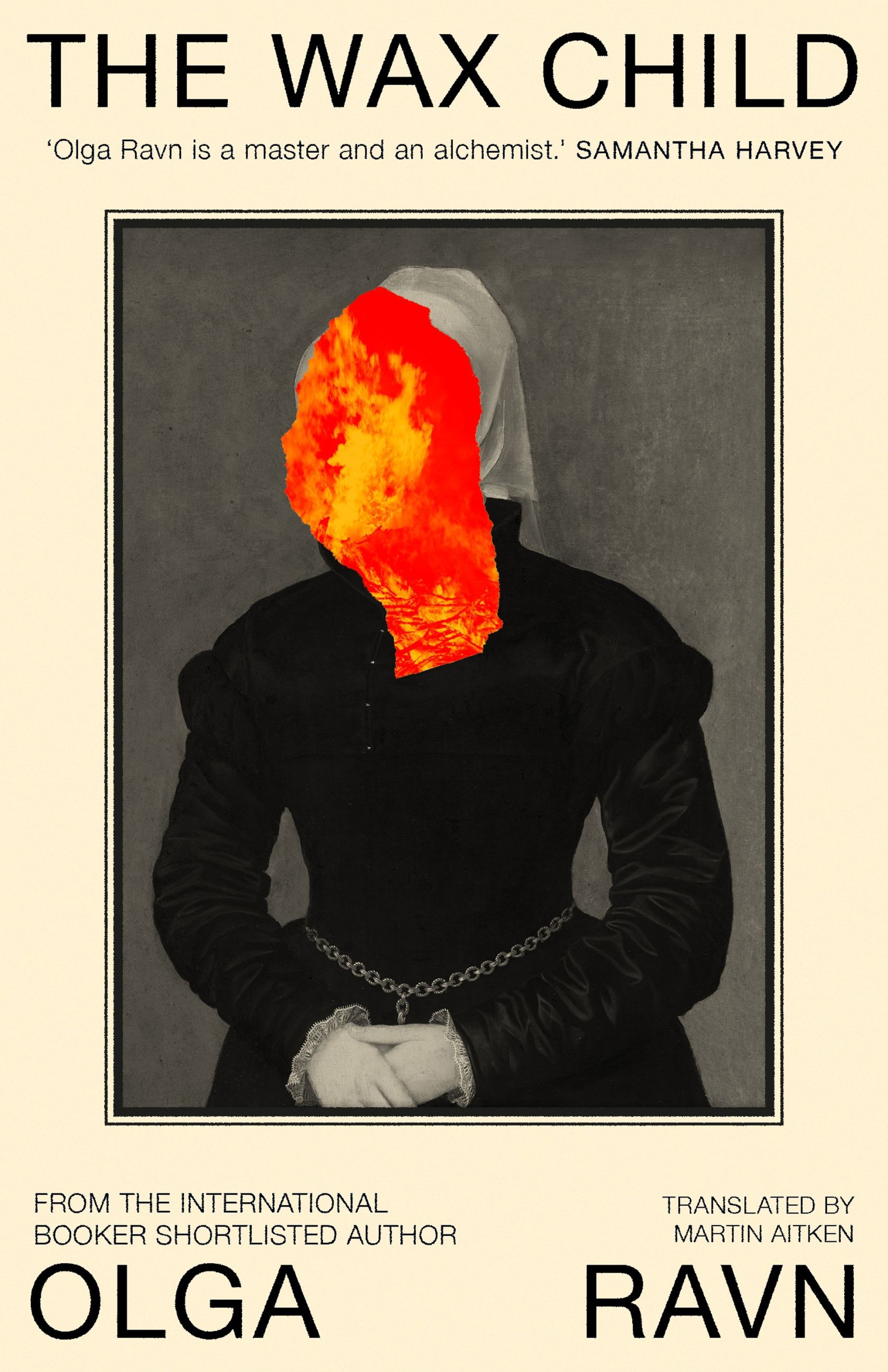
The Wax Child by Olga Ravn, translated by Martin Aitken, is published in hardback by Viking
A startlingly original account of a series of 17th century Danish witch trials, told from the perspective of a wax figurine made by one of the accused. This harrowing tale of ostracised women and state brutality is told through a series of vignettes that weave together a rich and compelling fabric of history, biography, nature, prophecy and folklore. Danish writer Olga Ravn’s prose is at once concise and freewheeling, and bristles with astonishing metaphors as it shifts from the microscopic to the societal, from tenderness to unspeakable cruelty. Key to its effectiveness is the powerless omniscience of the titular wax child, which looks upon the human condition with a combination of wryness and heartbreaking innocence. An outstanding novel.
P.S. You’re The Worst by Chloe Seager is published in paperback by HQ
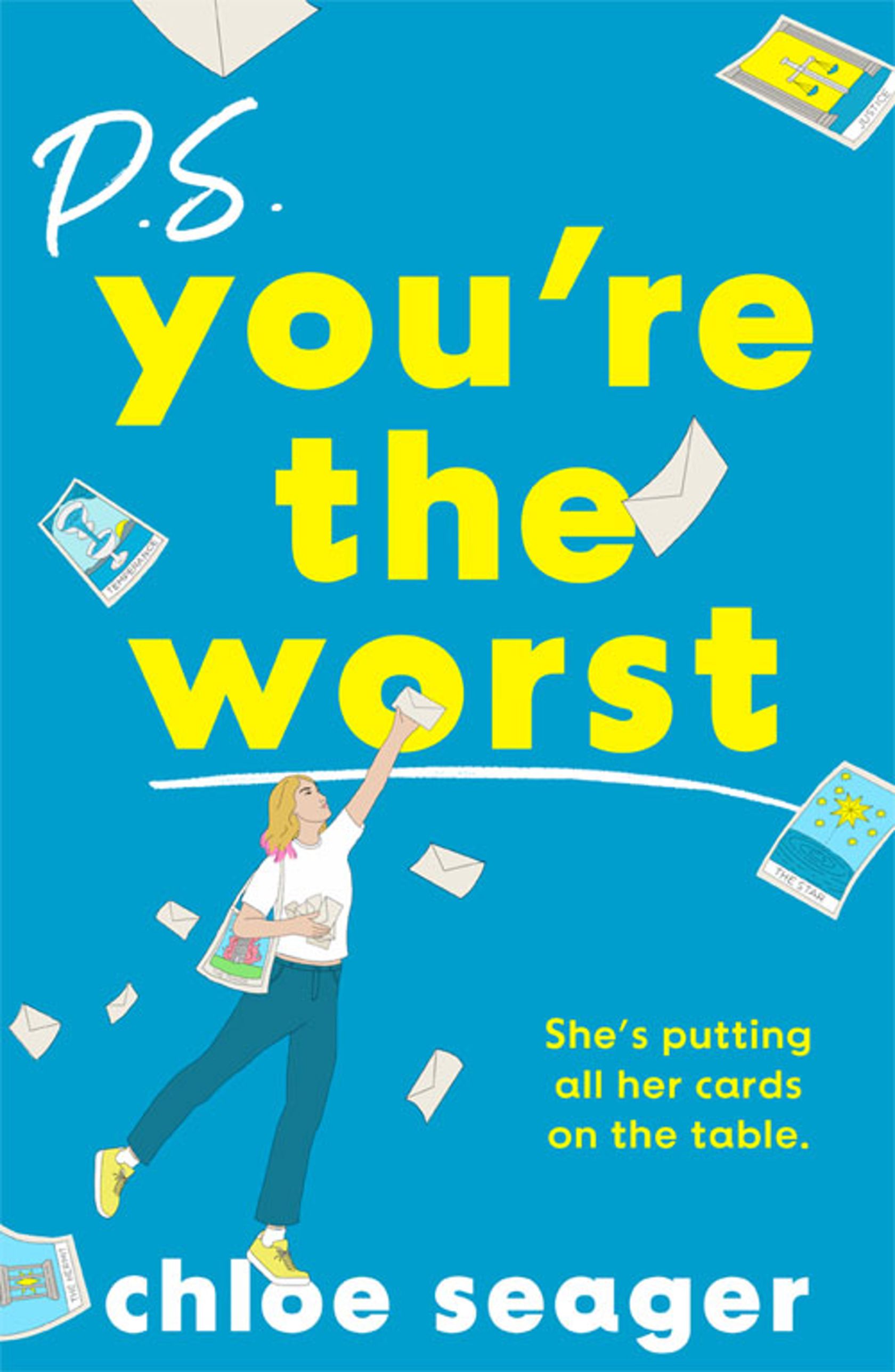
P.S. You’re The Worst explores the chaos of a woman in her late 20s, who is stuck in every aspect of her life. In this relatable and heartfelt novel, protagonist Becky thinks it cannot get worse before she draws the Death card in a tarot reading and believes she’s going to die. As she spirals, she writes brutal letters to her friends and family about how she really feels about them, which forces her to face up to the realities of her life. This uplifting novel captures the beauty of being bold, honest and breaking out of a rut. While Becky may not always be likeable in her cringe-worthy attempts to deal with her emotions, you can feel the journey she’s on and it comes to a satisfying end. The other characters could have had more depth to them, but for a fun, light read, it leaves readers with a poignant message.
The After Party by Ruth Kelly is published in paperback by Pan
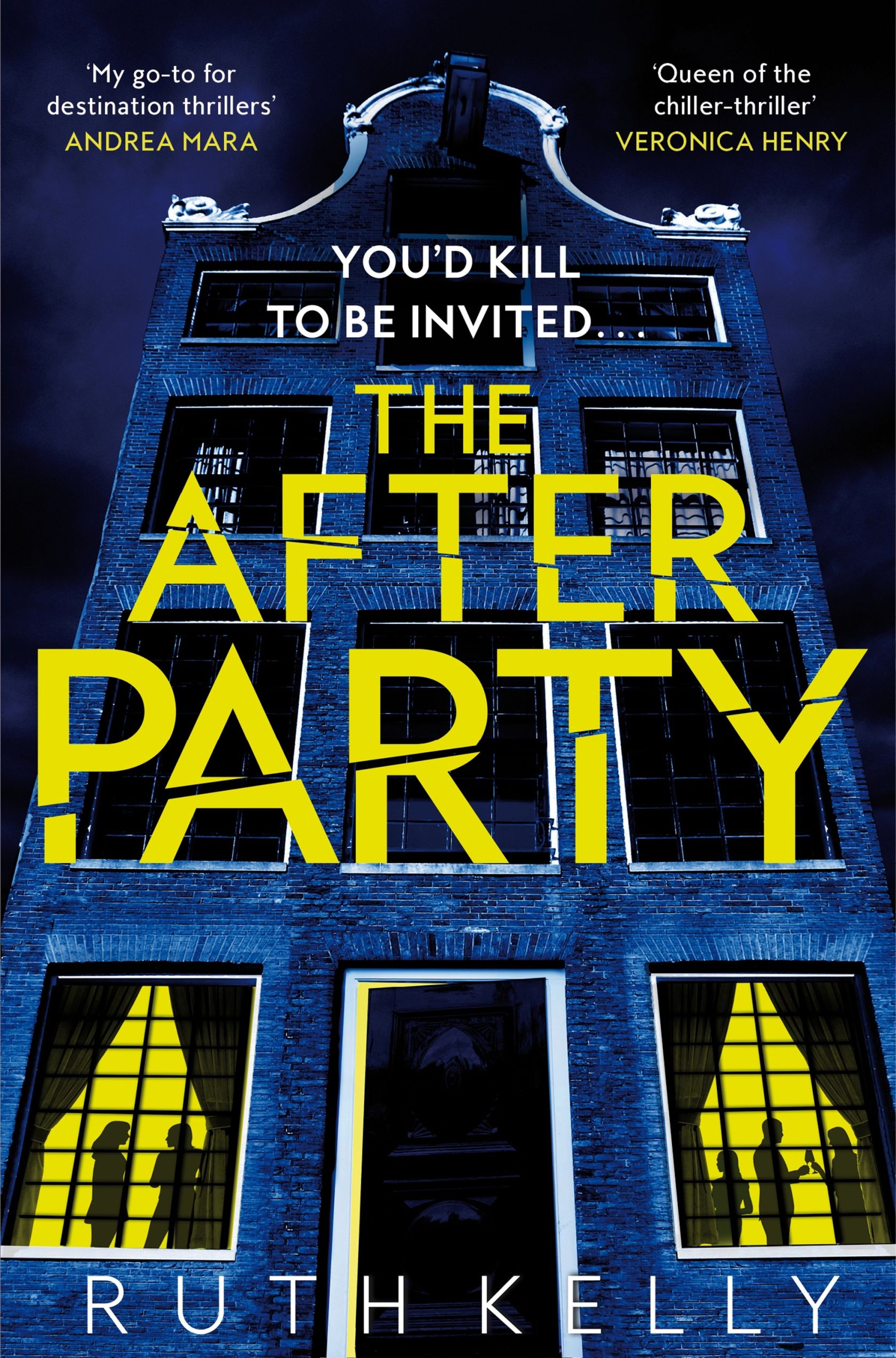
The premise of The After Party by Ruth Kelly sounds great: glamour, influencers, secrets, and a shocking event at an exclusive party in Amsterdam, where a woman goes missing. But as it goes on, it was difficult to not feel a little underwhelmed by this so-called thriller. The set-up has much promise, but the story never quite delivers the final, satisfying punch. While all the characters have something to hide, the reveals lack surprise and the pacing is uneven, meaning some parts drag, while others feel rushed, especially near the end. Ruth Kelly’s writing style is easy to read, and she clearly knows how to capture the shiny, fake world of social media influencers, but a big twist or vat of emotional depth to get stuck into never quite materialises.
Non-fiction
The Dark Side Of The Earth: How The Soviet Union Collapsed But Remained by Mikhail Zygar is published in hardback by W&N
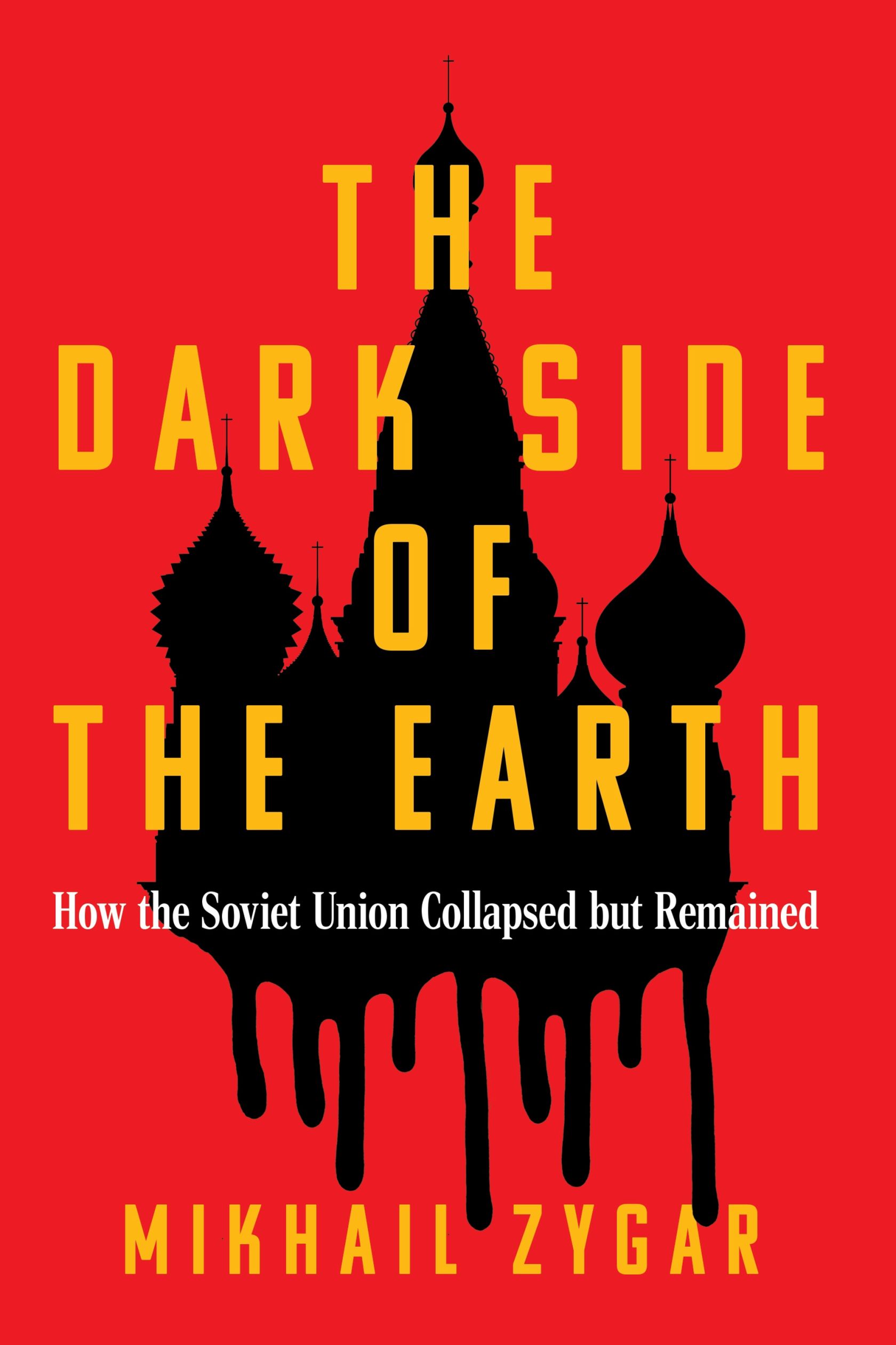
As befits a nation that once spanned half the globe, Mikhail Zygar’s The Dark Side Of The Earth delivers a monumental insight into the collapse of the Soviet Union, in all its farce and fury. Spanning the stultifying death throes of the Brezhnev regime to the roaring independence declarations that laid the foundations for the rise of Putin’s muscular nationalism, Zygar’s epic narrative unfurls with a momentum to outpace even the most unputdownable political thriller. Underpinning much of the story is Mikhail Gorbachev’s painstaking attempt at perestroika – a carefully calibrated economic thaw that, undermined at every turn, served only to sow seeds of chaos, and ultimately bring the whole thing crashing down. Gorbachev is cited as one of Zygar’s impeccable direct sources for a book that will surely endure as the definitive account of an historic era, and serve as a timely reminder that where political systems are concerned, we should perhaps be a little more careful what we wish for.
Children’s book of the week
Robot’s First Snow by Billy Sharff, illustrated by Hannah Abbo, is published in hardback by Sourcebooks Jabberwocky
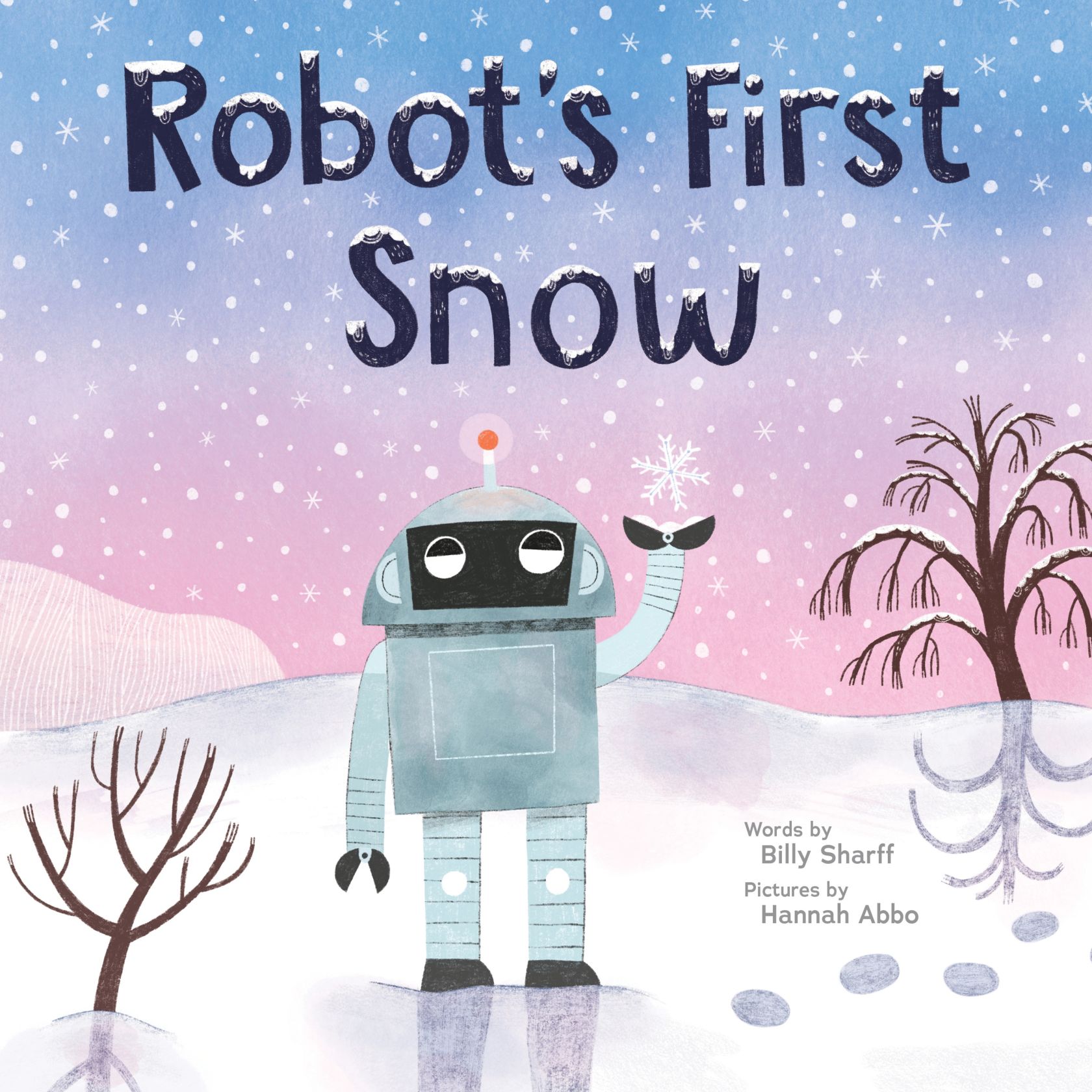
When you’re depending on the wonder of automation for the many Amazon purchases you’ll be waiting on this festive period, spare a thought for the technology that will play a part in making it happen. In Robot’s First Snow by Billy Sharff, we are provided with a similar snapshot of what that could look like, but instead of Prime, we’re presented with a worker robot’s experience of snow and the emotion it brings up. Robot yearns to be out in the chilly white landscape alongside others who share its joy. Hannah Abbo’s initial use of muted greys conveys the loneliness of robots in Sharff’s story, while the capitalisation and bolding of their responses to orders emphasise the cold, mechanical nature of automation. However, as humans enter the story, Abbo plays with more vivid colours to bring together a heartwarming conclusion and communicate the unifying quality of snow. A unique and moving tale.






 English
 Nederlands
 Deutsch
 Français
 Español
 Italiano
 Svenska
 Pусский
 中文
中文 Türkçe
 Português
 Polski
 عربي
عربي Suomi
Suomi עִברִית
 Português (Brasil)