


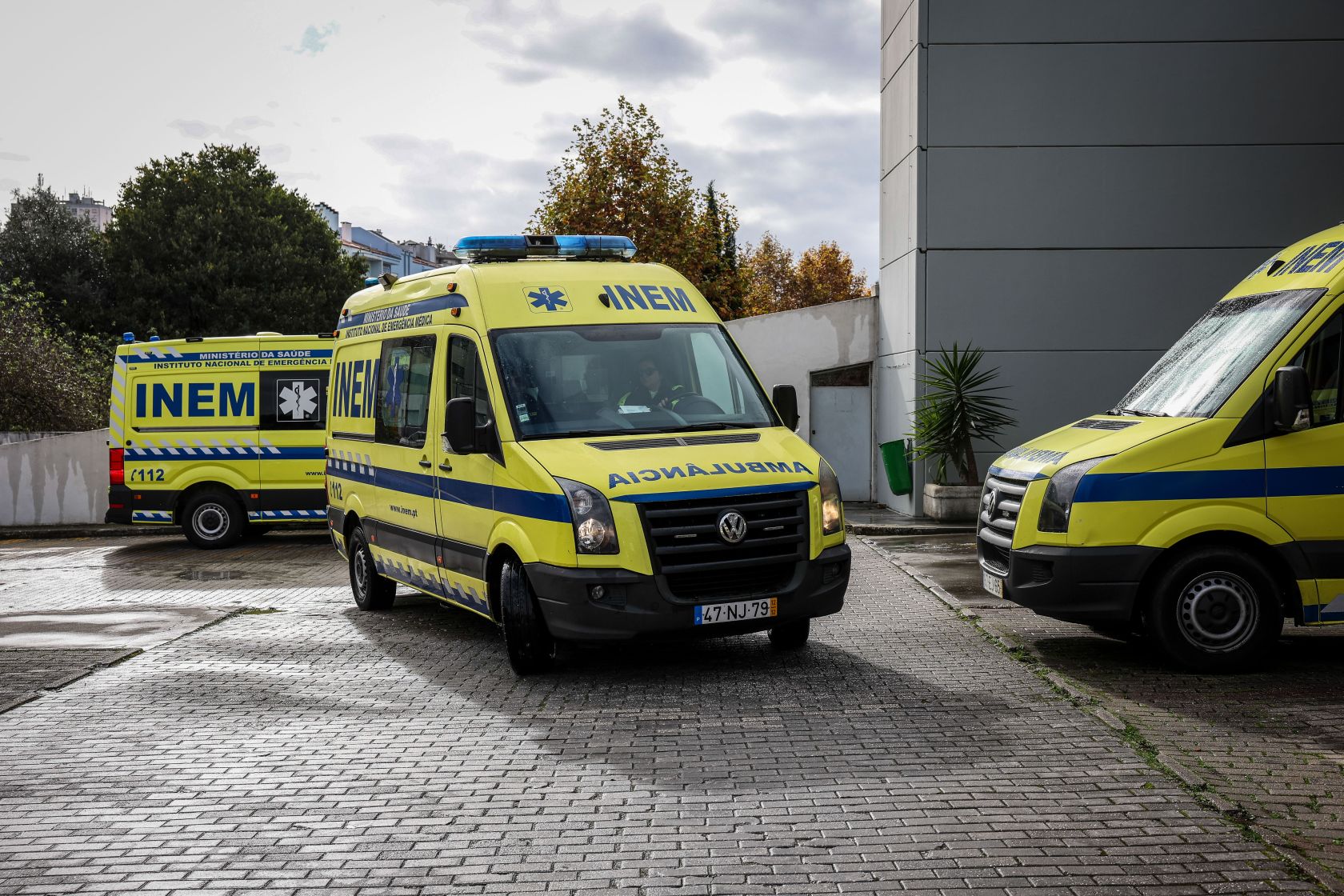
In a statement, the Intermunicipal Community of the Algarve (AMAL) expressed its “deep concern” about the possible reorganization of the National Institute of Medical Emergency (INEM), including “the possible extinction of the regional delegation” of INEM in the Algarve, requesting clarification from the Government.
The possible reconfiguration of the Urgent Patient Guidance Centers (CODU), changes to the National Health Service, and the reorganization of the National Emergency and Civil Protection Authority are other points of concern for AMAL.
Given these “possible scenarios,” the association that brings together the 16 municipalities of the Algarve unanimously approved a motion expressing “deep concern and apprehension and requesting immediate and detailed clarifications from the Government on the matter.”
“If the INEM call centre moves to Lisbon, we will lose knowledge of the field and the relationship between people who seem essential to this service,” said the president of AMAL, in statements to Lusa.
Summer season
António Miguel Pina gave as an example what could happen during the summer season, when the Algarve's population multiplies and emergency services are essential for the region and its image.
AMAL believes that the information made public “generates well-founded doubts about substantial changes in their respective structures, competences, territorial scale of action and operating models, which could directly affect emergency services and access to healthcare for the population of the Algarve.”
“Therefore, it formally requests from the Government, specifically from the Prime Minister, the Minister of Health, and the Minister of Internal Administration, clear information on the scope, rationale, timetable, objectives, and operational impacts of the planned reforms,” reads the statement.
The note also reiterates the need for “information and monitoring” of the tender for the construction of the new Central Hospital of the Algarve, arguing that the Government's commitment to this project “cannot be undervalued or delayed at a time of profound reforms in the health sector.”
Finally, AMAL considers it “essential” that the Government “urgently, unequivocally, and completely clarify the scope of the measures being prepared and demands maximum transparency, institutional dialogue, and the involvement of local authorities in the process.”






 English
 Nederlands
 Deutsch
 Français
 Español
 Italiano
 Svenska
 Pусский
 中文
中文 Türkçe
 Português
 Polski
 عربي
عربي Suomi
Suomi עִברִית
 Português (Brasil)