

This isn’t just about weather charts or tourist seasons. It’s about timing your journey to meet the pulse of the land, to witness nature’s great dramas as they unfold. Each season brings its own set of wildlife behaviors and sightings, shaping your safari experience in
unique ways. Therefore, the timing of your trip can shape everything: the animals you see, the landscapes you traverse, and even the mood of your overall experience.
Focusing on the safari regions of Southern Africa, these areas generally follow two main seasonal patterns: the Dry Season and the Green (Wet) Season, with transitional Shoulder Seasons in between. Each offers its own magic.
Nature’s Stage Set for Drama
In the dry months, the land wears a palette of ochre and gold. Rivers shrink, watering holes become lifelines, and wildlife gathers in plain sight.
The dry season months typically run from May to mid-November (this of course varies by region) but now the days are clear and sunny, and the nights are bright and cool. As it hasn’t rained for months, water becomes scarce and so animals congregate around rivers and waterholes. Wildlife is easier to spot, as vegetation is sparse and visibility is high.
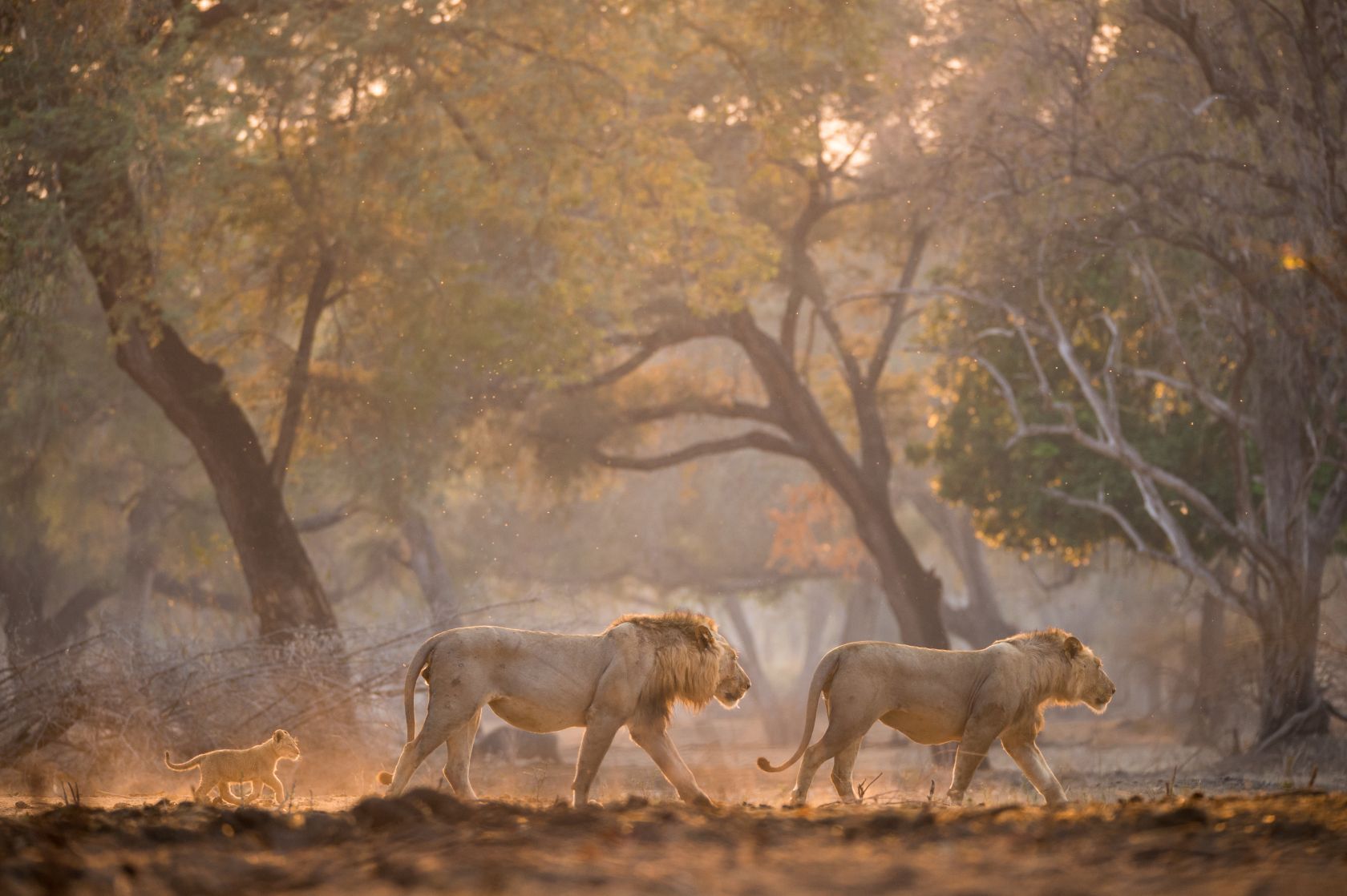
The dry months are excellent for predator-prey interactions as lions, leopards, and cheetah stalk their prey clustering near the water. Unforgettable sightings that are more common at this time of year are the large herds of buffalo and elephant that create crimson dust clouds at sunset - rushing to the water to quench their thirst. Game drives are exhilarating as mornings and evenings are crisp and cool with low humidity.
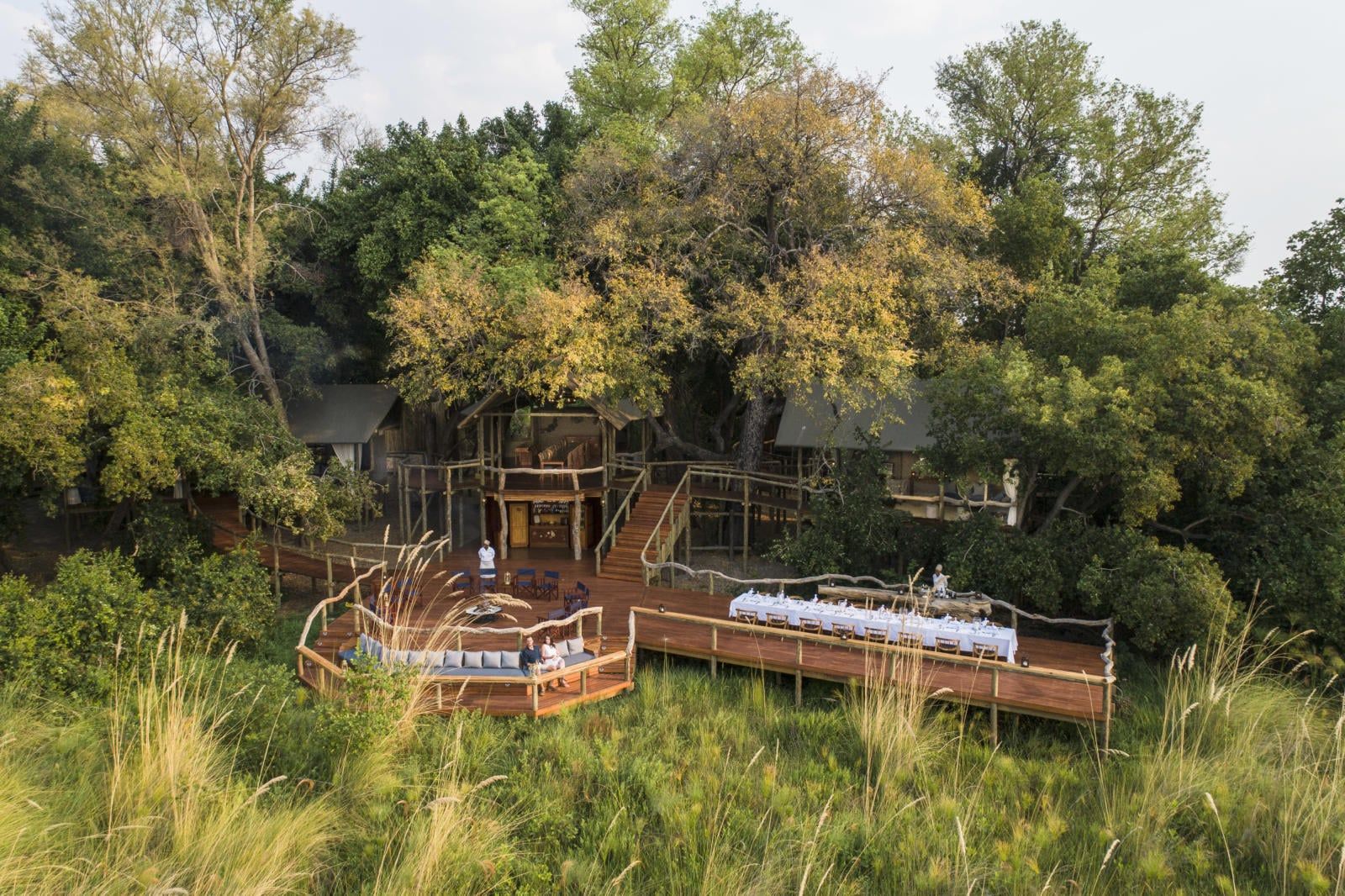
The dry season is often called “prime safari time” because nature’s drama is on full display—every waterhole becomes a stage for survival — and you have a front-row seat to the greatest show on Earth!
Africa in Full Bloom
As the first rain arrives from late October to early November, the bush bursts to life, showing off bright green leaves and stalks of nutritious grass, all in appreciation to the much-needed moisture. Slow puffy clouds build, creating drama and spectacular sunsets. The rain is sporadic at first and during these incredibly hot months, wildlife viewing is still at an extreme as the competition for water increases.
From January to March the rainy season is in full swing and while wildlife can be harder to spot due to thicker vegetation, the rewards are unique.
Many animals give birth during this time, offering sightings of playful young antelope, zebras and wildebeest, wobbly on their new legs as predators lurk nearby. Migratory birds arrive in their dazzling numbers and colors, feasting on flying ants and insects, the air alive with birdsong. From a photography point of view, the dramatic skies, wildflowers, and rich colors make for stunning images.
This is the season of renewal — a time when life bursts forth in abundance, and the drama is quieter but no less profound.
The Best of Both Worlds
Shoulder season runs from April to May and late October to November (depending on location). The benefits here are balanced wildlife viewing, moderate prices, and fewer tourists. These transitional months can offer a sweet spot—enough greenery for beauty, but still good visibility for wildlife. Prices for lodges and tours are often lower, and the parks are quieter.
Africa is vast, and seasonal patterns vary. Kenya and Tanzania are famous for the Great Migration, one of the planet’s most awe-inspiring spectacles: over a million wildebeest and zebra on an endless loop of life, death, and survival. River crossings happen in the dry months of July and August and calving season in the green months of January and February.
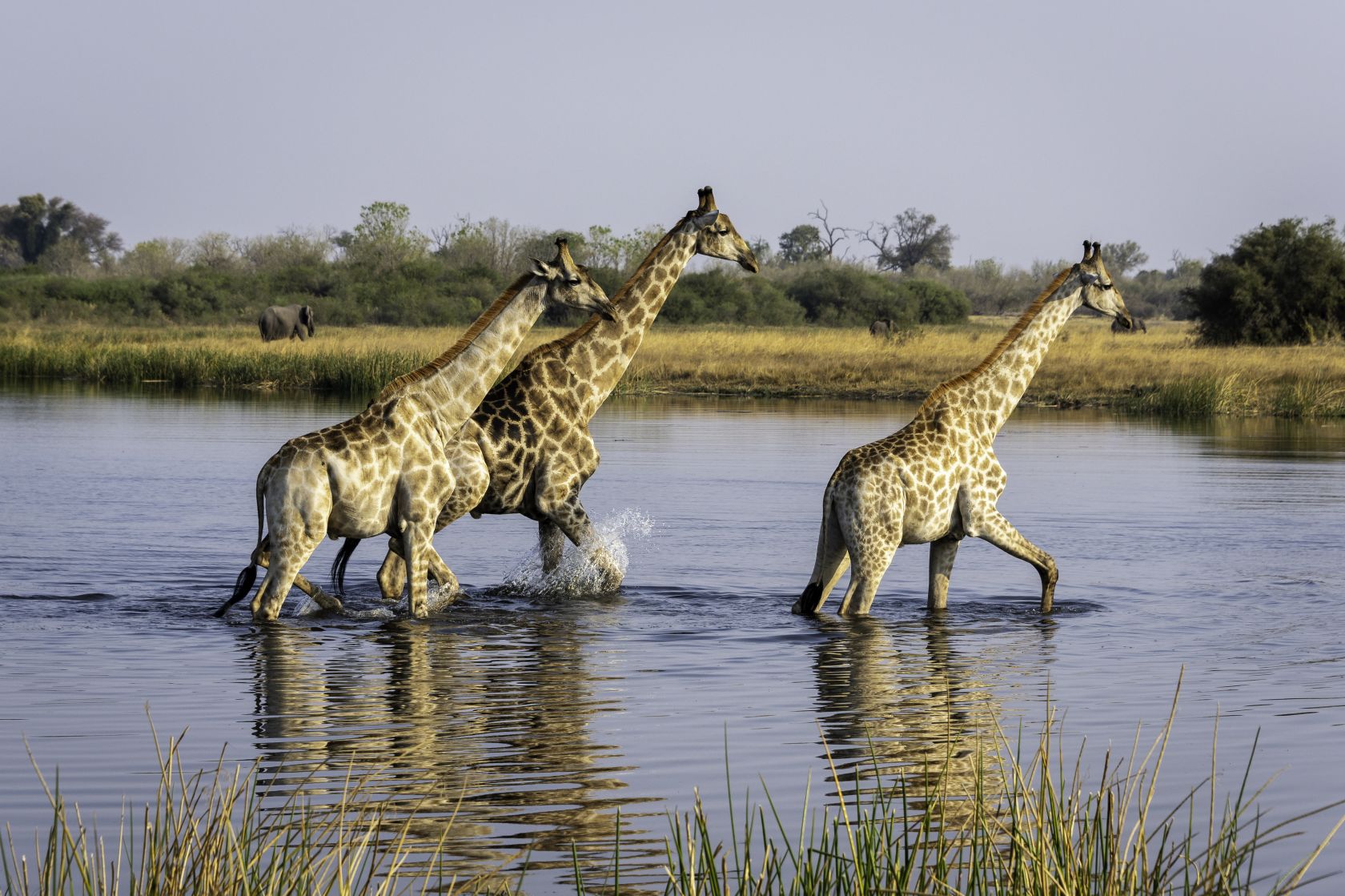
In Botswana the Okavango Delta floods during the cooler months of May and June, creating a unique water-based safari and in Uganda and Rwanda, gorilla trekking is possible year-round, but drier months make hiking easier.
So, if you could choose, would you rather witness the raw intensity of the dry season or the lush rebirth of the green season?
Your ideal safari season depends on your priorities. If you crave intense wildlife action, choose the stories of survival and concentration in the dry season. If you long for lush beauty and solitude, embrace the renewal and abundance of the green season. Prefer fewer tourists and good value? Choose the quiet interlude of the shoulder months.
In the end, an African safari is less about the date on your ticket and more about the connection you forge with the land. Whether you stand in the dust of the dry season or the bloom of the rain, Africa will find a way to move you — to remind you that you are part of something vast, ancient, and alive.
And perhaps the real question isn’t when to go, but whether you’re ready for Africa to change you forever.
If you’re interested in an African safari, please contact us at info@ExplorationsAfrica.com, we’d love to help plan your perfect safari.
Contacts: Dan and Antoinette Mackenzie
Website: www.ExplorationsAfrica.com / info@ExplorationsAfrica.com / +351-924-063-044






 English
 Nederlands
 Deutsch
 Français
 Español
 Italiano
 Svenska
 Pусский
 中文
中文 Türkçe
 Português
 Polski
 عربي
عربي Suomi
Suomi עִברִית
 Português (Brasil)