

Few nations embody this sentiment as completely as Portugal. From the humblest village tavern to the Michelin-starred restaurants of Lisbon and Porto, Portuguese cuisine speaks of seafaring, regional pride and a devotion to simple ingredients.
The sea, the great provider
Those of us who know Portugal realise that the nation’s culinary soul begins with the sea. This narrow nation, stretched along the Atlantic, has depended on and has been shaped by the ocean for nearly a millennium.
The story of bacalhau encapsulates Portugal’s exploratory spirit. Beginning in the 16th century, intrepid Portuguese fishermen ventured as far as Newfoundland to bring back the cod, preserving it in salt for the long voyage home. Centuries later, the dish remains a national treasure. Portuguese bacalhau is more than just food, it represents the comfort of continuity.
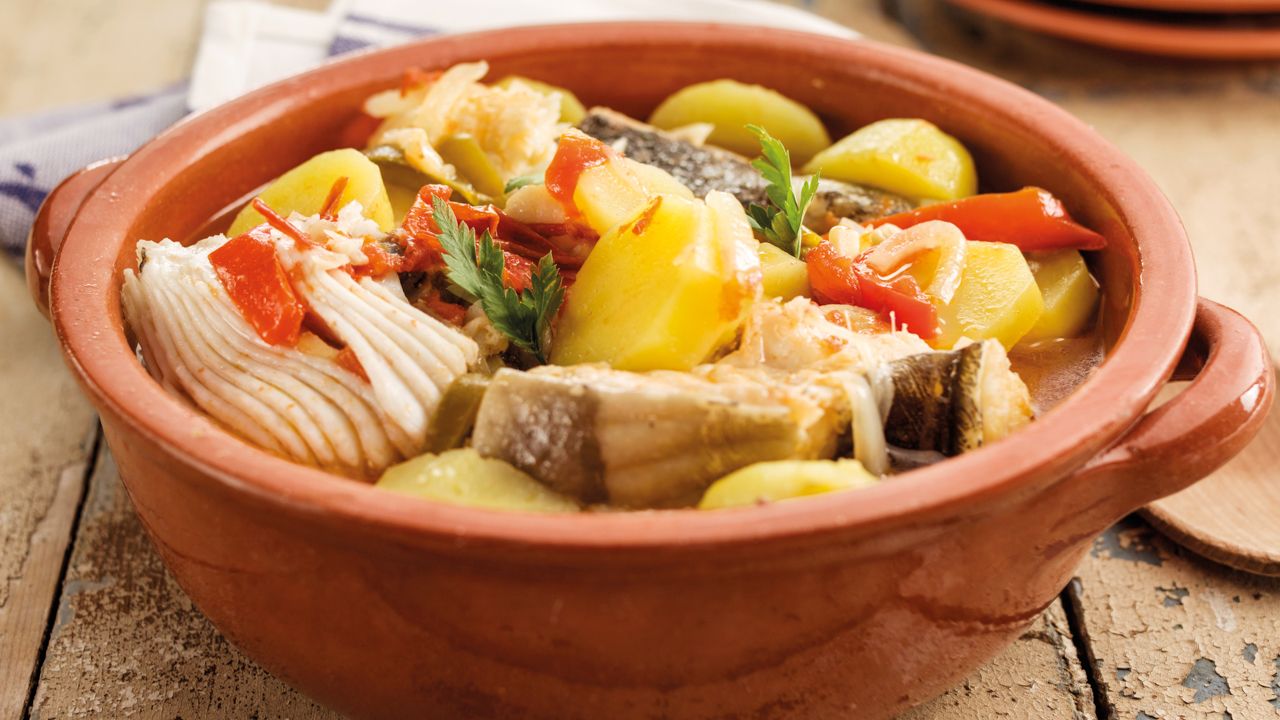
Naturally, the sea offers much more than just cod. Sardines, grilled to smoky perfection during Lisbon’s Santos Populares festivals in June, symbolise the festive joy of summer. Octopus stews, razor clam rice (from the Algarve) and a hearty Caldeirada (a fisherman’s stew of mixed seafood and potatoes) all pay homage to the ocean’s bounty.
Land, seasons and regionality
Stepping away from the coast, the culinary map of Portugal changes in both texture and tempo. In the north, the flavours are deep and hearty. The Minho region, known for its rolling green hills and the effervescent Vinho Verde, showcases heartier offerings such as ‘rojões’ (pork chunks, including cheeks and lips, marinated and cooked in garlic and wine) or ‘papas de sarrabulho’, a winter stew of pork often enriched with pork’s blood and thickened with cornmeal.
In the interior and the south, olive oil replaces butter with herbs and spices whispering hints of the country’s Moorish past. Alentejo, the vast, golden plain south of Lisbon, is the heartland of rustic comfort food:
Açorda alentejana: is a garlic-and-cilantro broth poured over stale bread and topped with a poached egg.
Migas: is a pan-fried mixture of breadcrumbs and pork.
Porco preto: is the meat from the Iberian black pig. The sky’s the limit as to how this exceptional meat can be cooked. The tenderloin melts in the mouth and can be served with rice or potatoes (boiled or fried) alongside seasonal vegetables or a crispy salad. It’s often grilled or stewed with fresh clams in the emblematic dish called ‘Carne de Porco à Alentejana.”
Each dish tells a tale of resourcefulness, as people made the best use of what the land and the sea has to offer. Portuguese food is often described as poor man’s cuisine but this over-simplification is highly deceptive. Back home in Wales, lobster, salmon and oysters were also regarded as “peasant food" because they were freely available foods, simply for the gathering. These ‘humble’ ingredients are now regarded as "fine dining”. So, I think it's quite demeaning to describe good, fresh ingredients as being somehow below par?
The genius lies in transformation. By making magic from modest ingredients through slow cooking, generous seasoning and honouring time-honed techniques.
Colonial spices brought global influence
Portugal’s culinary identity cannot be separated from its imperial history. During the Age of Discovery, Portuguese navigators didn't just bring back untolled riches but they also introduced new flavours. From Goa to Brazil, from Mozambique to Macau; the Portuguese traded, borrowed and adapted.
Chilli peppers from the Americas spiced up piri-piri chicken. Cinnamon and cloves from the East found their way into desserts like arroz doce (sweet rice pudding). Then, sugar sweetened the national diet forever. Pastel de nata, those luscious, creamy custard tarts born in a Lisbon monastery, owe their existence to an abundance of sugar and the egg yolks left over from using egg whites to starch monks’ habits and to filter wine.
This global exchange created a cuisine that feels both local and cosmopolitan. There’s a sense of connection between continents and between the past and the present.
The table is a theatre
Beyond ingredients, Portuguese food culture is defined by ritual. Meals are events, often long and leisurely, punctuated only by conversation and laughter.
Eating out is not just about consumption; it's about community. The ‘tasca’ is the cornerstone of Portuguese social life. It is where taxi drivers, office workers and retirees share the same counter, eating ‘petiscos’ (small plates similar to Spanish tapas). The tasca is both familiar and affordable; it’s where strangers become friends over a carafe of ‘vino do lavrador’ (farmers’ wine).
Hospitality is sacred. Guests are offered food even if they’ve only stopped by for a chat. Refusing seconds can border on impolite. In Portugal, generosity at the table is a moral code. It's an expression of warmth and universal dignity.
Reinvention
In the last two decades, Portuguese cuisine has undergone a quiet revolution. Chefs such as José Avillez, Nuno Mendes and Henrique Sá Pessoa have elevated traditional dishes into the realm of haute cuisine, using modern techniques while preserving the all-important authenticity. Lisbon, once overshadowed by culinary capitals like Paris or Barcelona now boasts an energetic restaurant scene that deliberately marries innovation with heritage.
Perhaps the greatest triumph of modern Portuguese cuisine is its confidence. No longer eager to imitate its neighbours, it embraces its rusticity, its humility and its deep roots. There’s an enduring beauty in simply grilled sardines or a bowl of Caldo Verde. The sophistication lies in restraint, in letting the ingredients speak for themselves.
Sweet memories
No exploration of Portuguese food would be complete without its sweets, collectively known as ‘doçaria conventual’. Born in convent kitchens during the 15th and 16th centuries, these egg-rich pastries were originally made by nuns who used yolks left over from winemaking and laundry. They perfected recipes that remain national treasures such as ‘ovos moles’ from Aveiro, ‘toucinho do céu’ from the Alentejo and of course, as I previously mentioned, the now ubiquitous pastel de nata, whose fame now rivals that of the croissant!
These desserts are more than confections; they are edible relics of a time when sugar was a luxury and devotion was expressed through home baking. Today, every café in Portugal, and many abroad now carry this legacy. Proof that tradition can endure through food.
Identity through taste
Portuguese food culture thrives on paradox. It is both humble and refined, local and global, ancient and innovative. It tells of fishermen and farmers, explorers and monks, of empire and endurance. Above all, it tells of people who have learned to celebrate life’s simplest pleasures. People who realise that a freshly baked loaf of bread, a bottle of wine on a table surrounded by friends and family, can be one of life’s greatest gifts.
In a world that moves ever faster, Portugal’s cuisine offers a lesson in presence. To eat here is to slow down, to savour and to connect. Whether on a sunlit terrace in the Algarve or a candlelit tavern in Porto, we learn to understand that the true flavour of Portugal is not found in any single dish but in the simple act of sharing the experience.








 English
 Nederlands
 Deutsch
 Français
 Español
 Italiano
 Svenska
 Pусский
 中文
中文 Türkçe
 Português
 Polski
 عربي
عربي Suomi
Suomi עִברִית
 Português (Brasil)
The translation of "a mesa e onde I coracao see encontra " it's wrong, the right translation is
A mesa is where the heart finds himself
Thank you
By José from Other on 27 Nov 2025, 12:44