

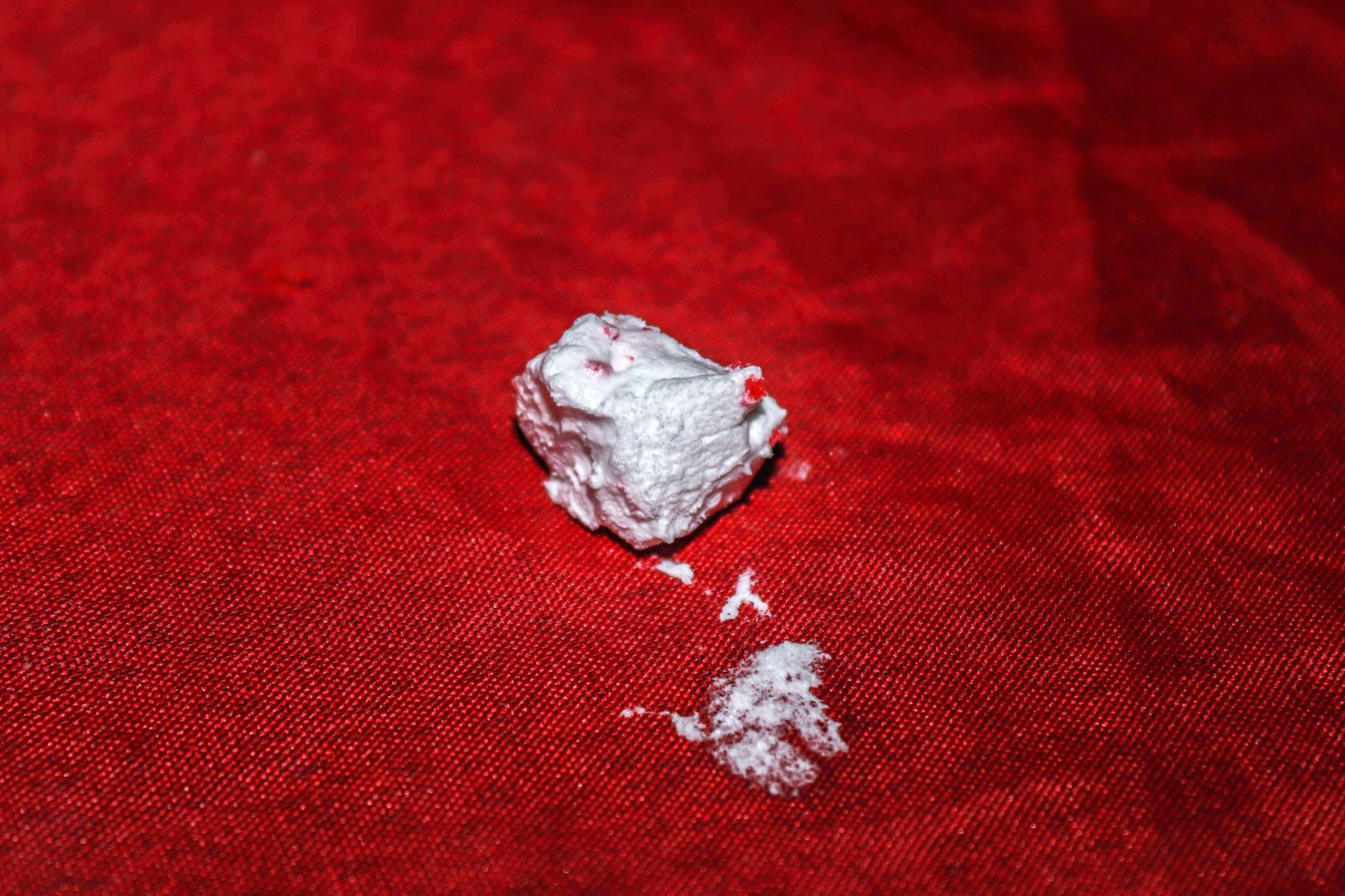
Lisbon also registered a reduction in MDMA/ecstasy, while Almada has seen an increase in these drugs, according to a published study.
The data for Lisbon, Porto, and Almada are included in the latest study by the European Union Agency for Criminal Justice and Data (Europol).
The study encompasses analyses of wastewater from Wastewater Treatment Plants in 115 European cities across 25 countries (23 from the European Union plus Turkey and Norway).
The objective is to study the drug consumption patterns of their inhabitants.
Portugal case
Regarding Portugal, the study “Wastewater analysis and Drugs – A European multi-city study” reveals a decrease in the consumption of illicit drugs in Lisbon and Porto between 2024 and 2025, with a notable reduction in the use of cocaine and MDMA/Ecstasy: in Lisbon, from 81.7 to 60.5 mg per 1,000 people/day, whereas in previous analyses it was among the European cities with the highest consumption.
Further North
In Porto, the pattern is similar, although with a slight increase in the presence of ketamine [a potent anaesthetic that causes a trance-like state], but with much lower values when compared to the other cities participating in the study (from 0.9 to 4.3 mg/1000 people/day).
Below Average Levels
Unlike studies from previous years, both cities now have cocaine levels below the European average, with a decrease in the most recent data: in Lisbon from 625.1 to 522.6 mg/1,000 people/day and in Porto from 415.6 to 254.4 mg/1,000 people/day.
In contrast, Almada (Setúbal district) recorded an increase in cocaine consumption (from 358.6% to 446.3%), amphetamines (from 5.3% to 10.6%) and MDMA (from 17.4% to 30.2%), even surpassing Porto in all these indicators, according to the document from the Lisbon-based agency, which the Lusa news agency had access to.
Decrease in cannabis consumption
Regarding cannabis, the most consumed drug in the entire European Union, the three Portuguese cities showed convergent results compared to the previous year, with a decrease in consumption in Porto (from 53.3 to 44.6 mg/1,000 people/day), in Lisbon (from 150.8 to 125.0 mg/1,000 people/day) and Almada (from 119.1 to 80.0 mg/1,000 people/day).
Regarding amphetamine and methamphetamine (stimulants that increase energy, but with serious risks), the Portuguese cities do not show significant values, says the study.
European Study
The European study analysed daily wastewater samples over a one-week period between March and May 2025. Wastewater from approximately 72 million people was tested for traces of five stimulant drugs (amphetamine, cocaine, methamphetamine, MDMA, and ketamine) and marijuana.
At the European level, this year's findings reveal a sharp decline in MDMA residues in participating cities, along with an increase in ketamine and cocaine detections.






 English
 Nederlands
 Deutsch
 Français
 Español
 Italiano
 Svenska
 Pусский
 中文
中文 Türkçe
 Português
 Polski
 عربي
عربي Suomi
Suomi עִברִית
 Português (Brasil)