

The 14th Infantry Regiment, based in Viseu, boasts a centuries-old battle history, having originated in the Algarve around 1657.
After several organisational changes in the Portuguese army, the unit was eventually relocated to Viseu in November 1842, where it remains to this day.
The Unit Day
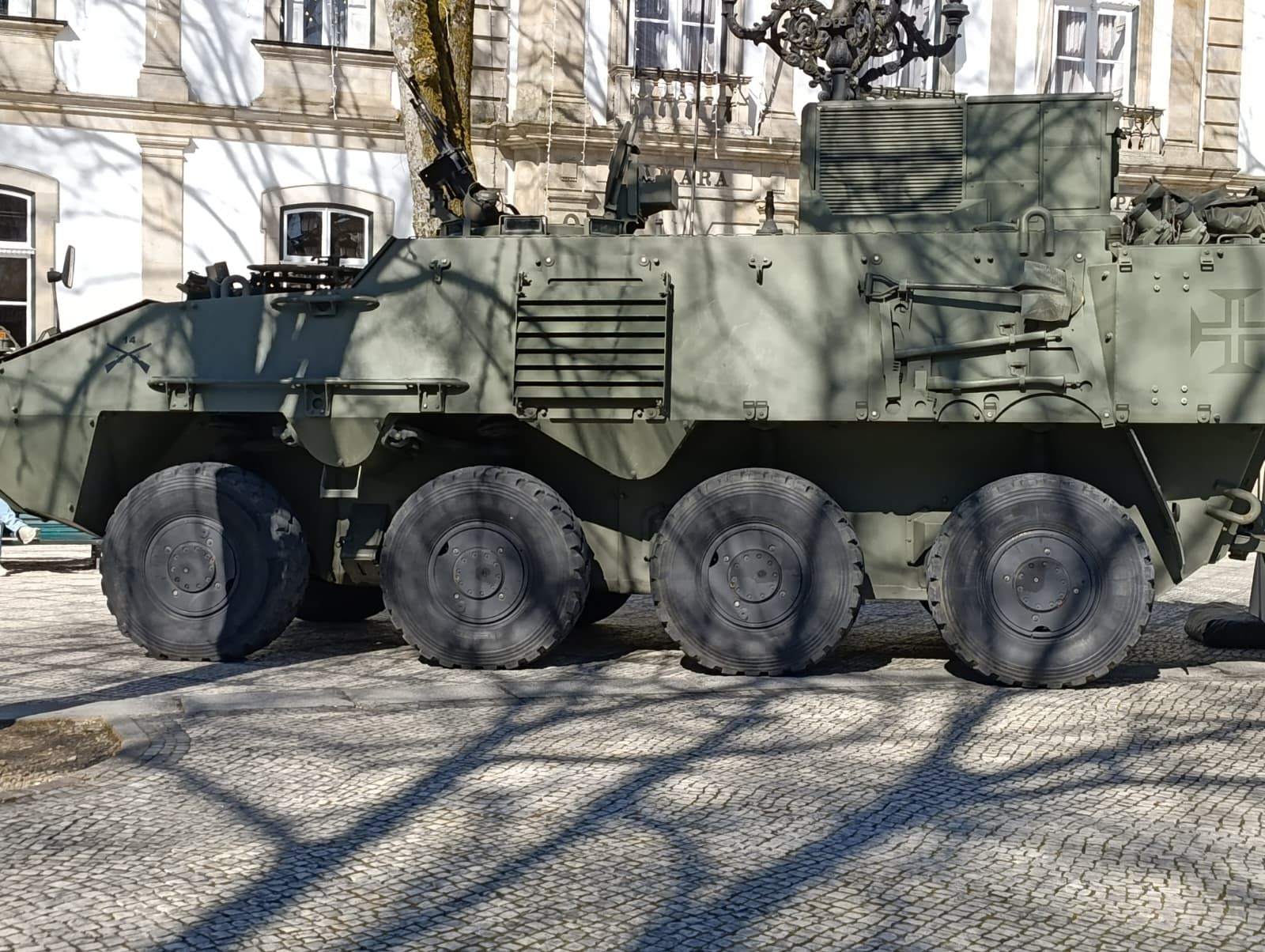
The Unit Day is celebrated on 19 March because it was on that day, in 1918, under the command of Captain Vale de Andrade, that the 1st Company of the 14th Infantry Regiment of Viseu successfully carried out an attack on German trenches, a heroic act that resulted in the awarding of the War Cross, 1st Class. Therefore, this date (19 March) was chosen to mark the Regiment's Commemorative Day.
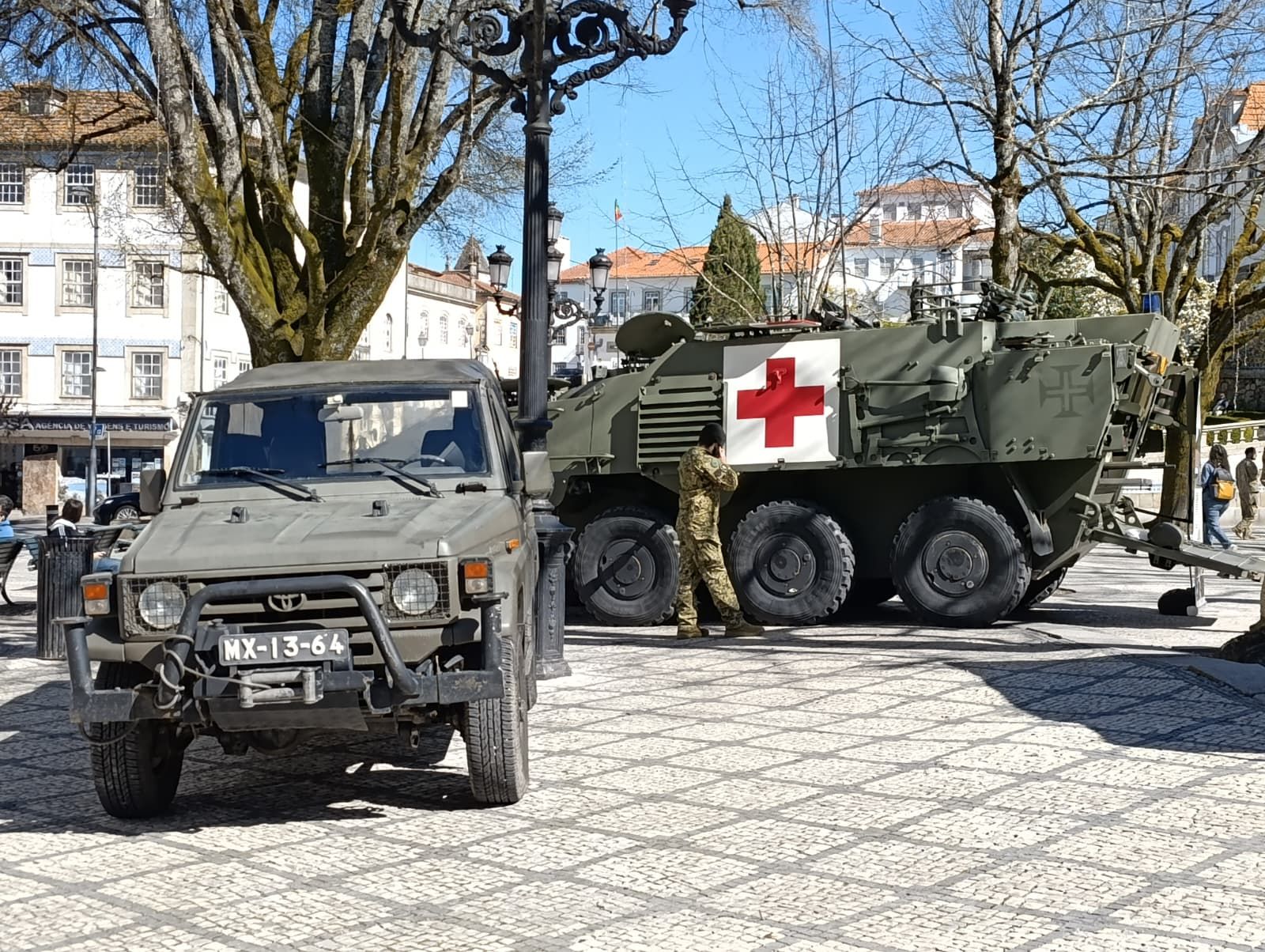
For the reasons mentioned above, every year the soldiers of the RI14 (14th Infantry Regiment) take to the streets, bringing with them some combat vehicles and artillery, which are displayed in the Rossio square in Viseu, in order to show the population and visitors the work they do and the tools they use.
Presence of soldiers
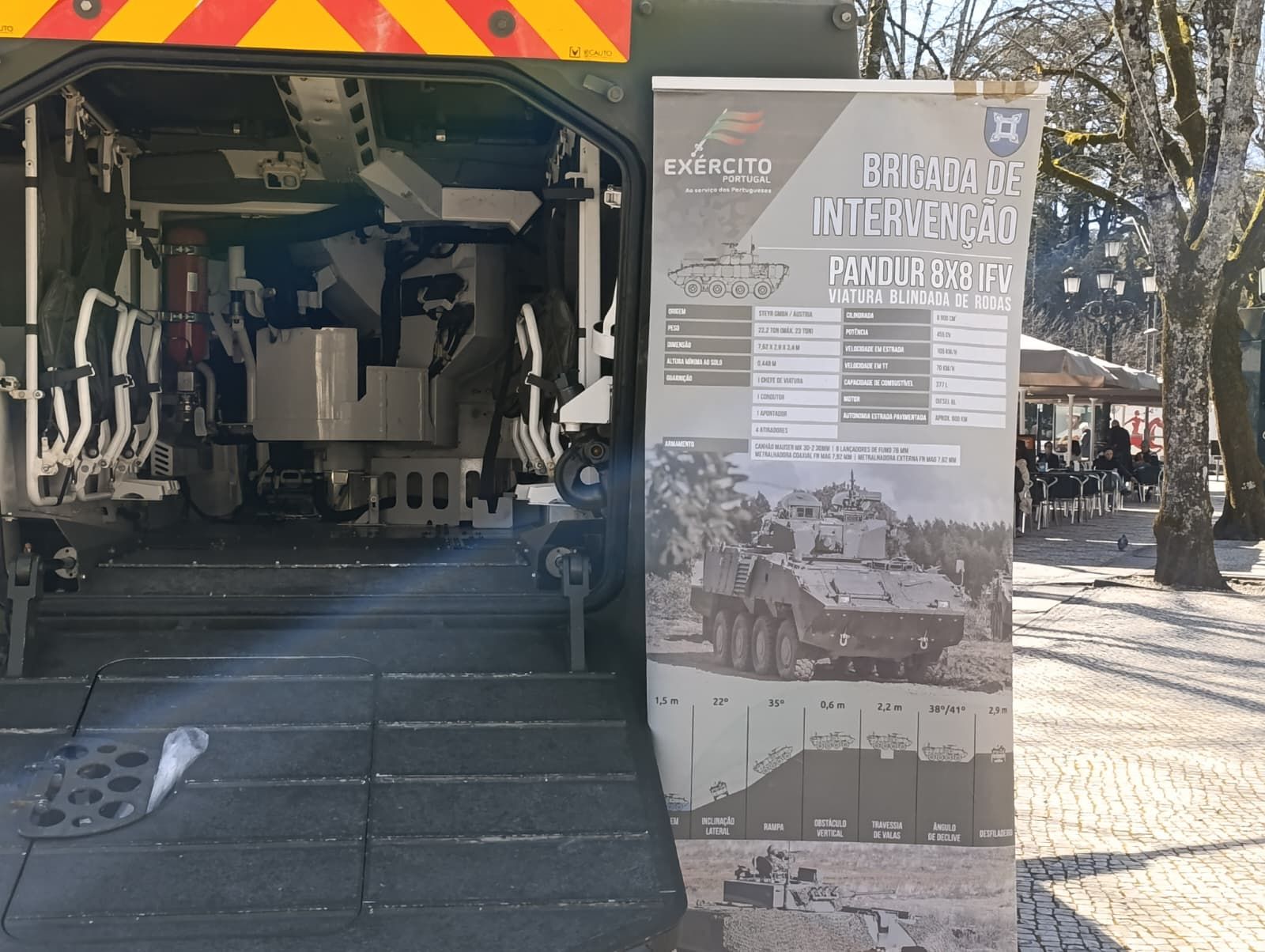
The soldiers are also present in the Rossio square during the exhibition, available to answer any questions. In addition to the exhibition, other activities take place, namely the Corrida dos Viriatos (Viriatos Race), a charity race open to the public and requiring a donation of food items that will later be given to charitable social institutions; a Eucharistic celebration is also held at the Igreja dos Terceiros (Church of the Third Order) in Viseu, followed by a concert by the Army Light Orchestra. Finally, a Military Ceremony is held at the Regimento de Infantaria Nº14 barracks.
Portuguese Army works
Currently, the Portuguese Army participates in several national and international exercises (within the framework of NATO), as well as social actions such as contributions to combating, raising awareness of, and controlling the spread of the Coronavirus, and supporting police forces and firefighters in the prevention and fighting of forest fires.
During the series of storms that hit the country earlier this year, the Portuguese Army also worked alongside the population and authorities, supporting and transporting victims and carrying out other essential activities.








 English
 Nederlands
 Deutsch
 Français
 Español
 Italiano
 Svenska
 Pусский
 中文
中文 Türkçe
 Português
 Polski
 عربي
عربي Suomi
Suomi עִברִית
 Português (Brasil)