


The EN125, the main artery connecting Faro to Albufeira, floods predictably near Almancil and Quarteira after heavy rain. Local drivers know the spots; newcomers don’t. School drop-offs in Loulé and Vale do Lobo take 20 minutes longer when the rain starts at 8am. Roads into Quinta do Lago become slower. Familiar routes require different timing.
These aren’t dramatic disruptions - they’re just January in Portugal. But for the wave of remote workers and retirees who moved here in the past three years, it’s often the first test of whether the Algarve works for them year-round.
The Algarve markets itself on 300 days of sunshine annually, and that figure is largely accurate. But the rain that falls during the other 65 days - concentrated mostly between November and February - is essential. Reservoirs like Barragem de Odeleite and Barragem do Funcho depend on winter rainfall to supply the region through summer. Without it, water restrictions will likely be in place by July.
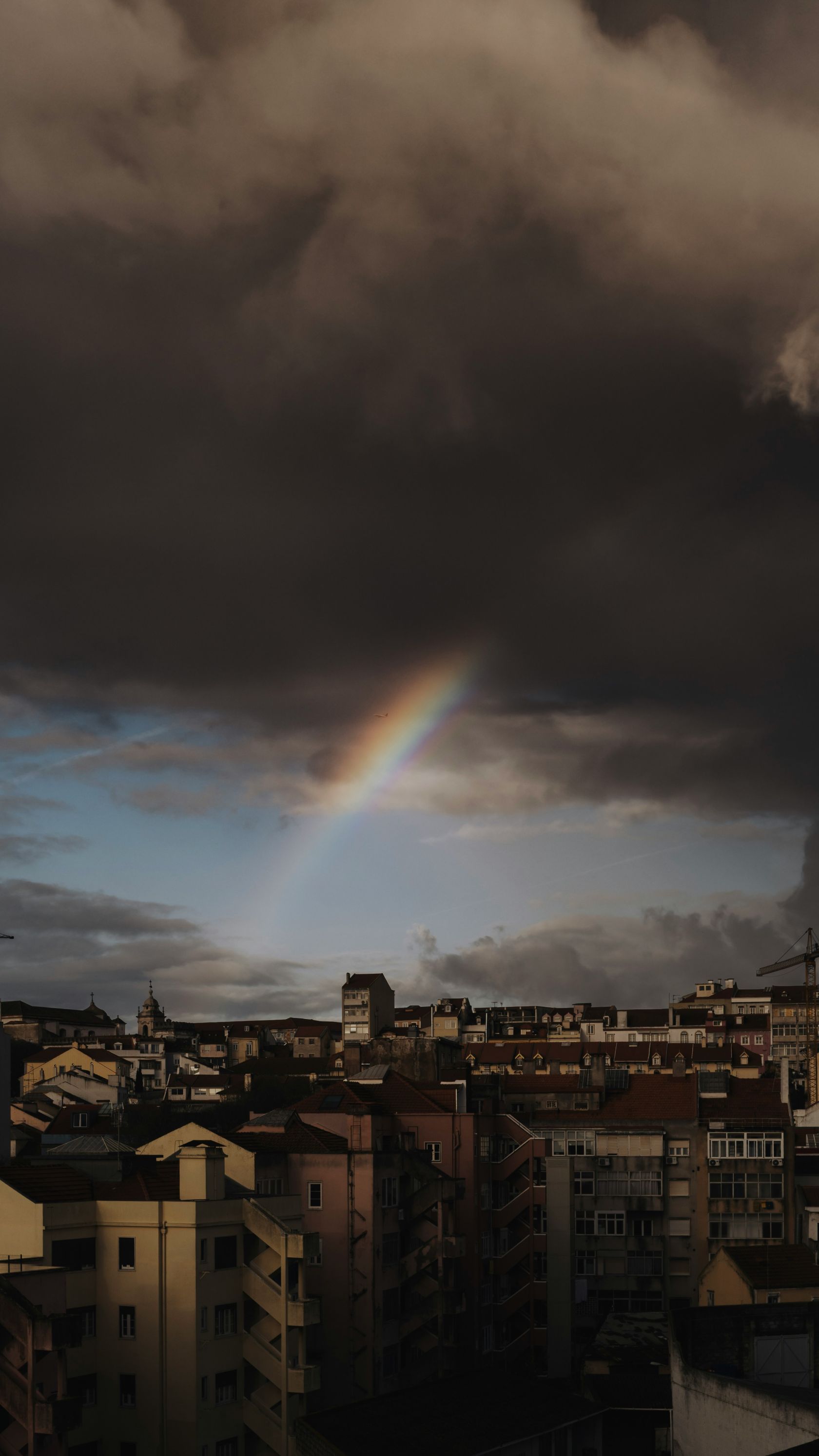
Recent drought years have made this clear. In 2024, when reservoir levels dropped critically low, municipalities implemented usage limits; golf courses in Vilamoura and Quinta do Lago reduced irrigation by 20%, and residents were asked to limit garden watering. The winter rain isn’t an inconvenience - it’s infrastructure.
Estate agents in the Golden Triangle report a pattern: some buyers view properties only between May and September, then struggle with the reality of Portuguese winters. Homes without central heating - common in older villas around Almancil and São Brás - become uncomfortable. Humidity reveals which buildings have proper insulation and which don’t.
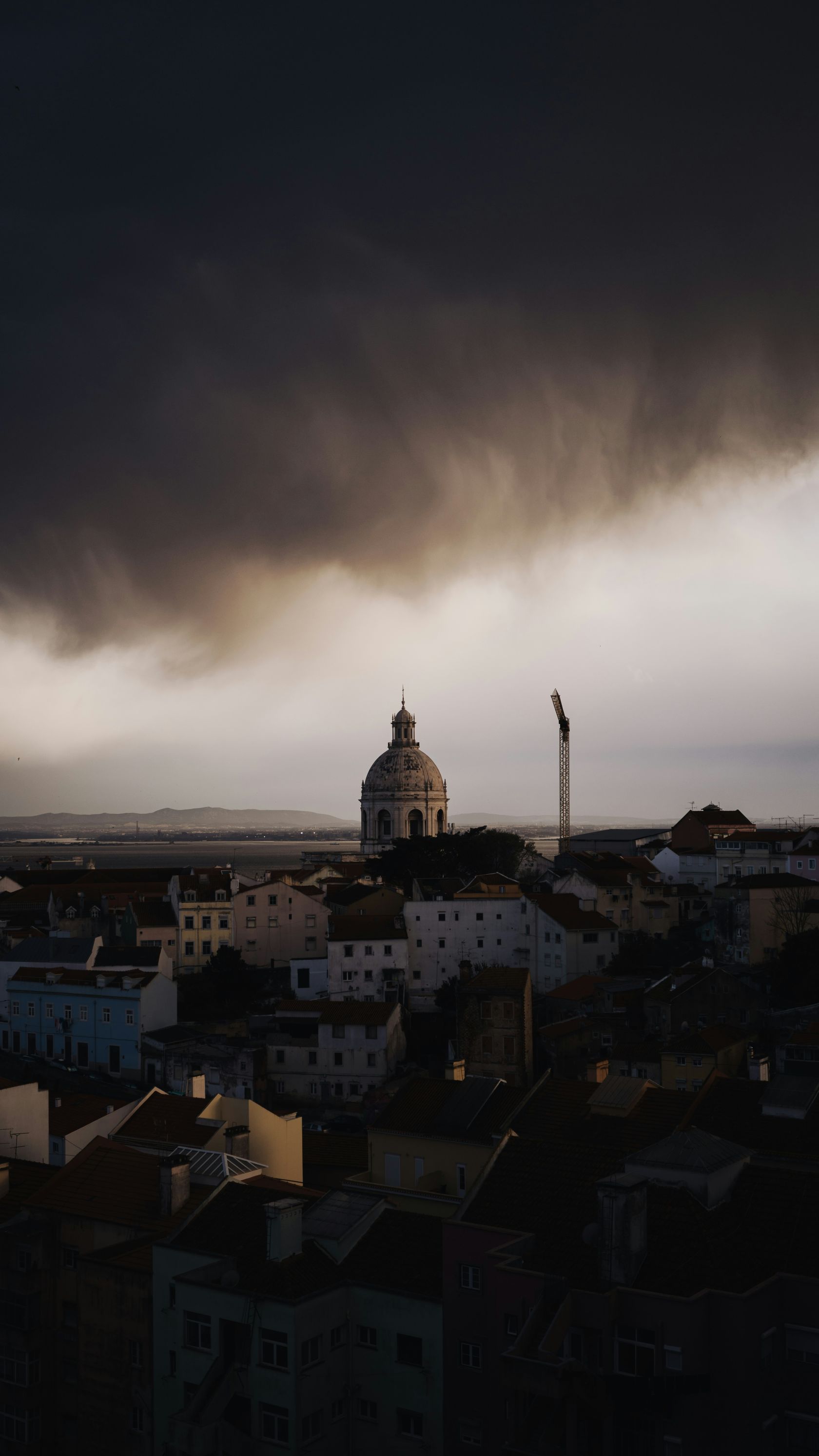
The social rhythm changes, too. Loulé market sees fewer vendors and smaller crowds. Beach clubs in Quinta do Lago and Vale do Lobo close or reduce hours. Social life concentrates in indoor spaces - the same cafés in Almancil and Faro that stood half-empty in August now fill by 10am.
For established expats and Portuguese residents, this is simply how the year works. But the influx of new arrivals over the past few years means more people are experiencing their first Algarve January, often without the context that winter here is short, manageable, and necessary.








 English
 Nederlands
 Deutsch
 Français
 Español
 Italiano
 Svenska
 Pусский
 中文
中文 Türkçe
 Português
 Polski
 عربي
عربي Suomi
Suomi עִברִית
 Português (Brasil)
Was this written last year? Does the writer live in the Algarve and if so, did she leave in November and hasn't returned? She doesn't seem familiar with this year's weather at all. The ads I saw prior to our move were 320 days of sunshine, not 300 as she quotes, but I'd love to know how many days the winter season of 2025/26 will show. We're on the western end and it's been raining almost daily for weeks. All the reservoirs are nearing capacity and the 10 year drought has officially ended. In our experience, very few apartments or even homes have heating or insulation. New comers lease only to find their lips are blue inside their apartments. One thing to ask prior to signing the lease, for sure.
By Dotty Hopkins from Algarve on 30 Jan 2026, 14:24