


The solar storm may also trigger power outages and disruptions to satellite networks.
This powerful solar storm began impacting Earth on 19 January, triggering a level 4 geomagnetic storm on a scale of 5, explained meteorologist Shawn Dahl of the US Space Weather Prediction Center (SWPC), in a video cited by the France-Presse agency (AFP).
It is expected to continue, but weaken during the day, according to the same source.
Solar flares, called coronal mass ejections, which can take several days to reach Earth, cause these events, creating the aurora borealis and australis upon contact with Earth's magnetic field.
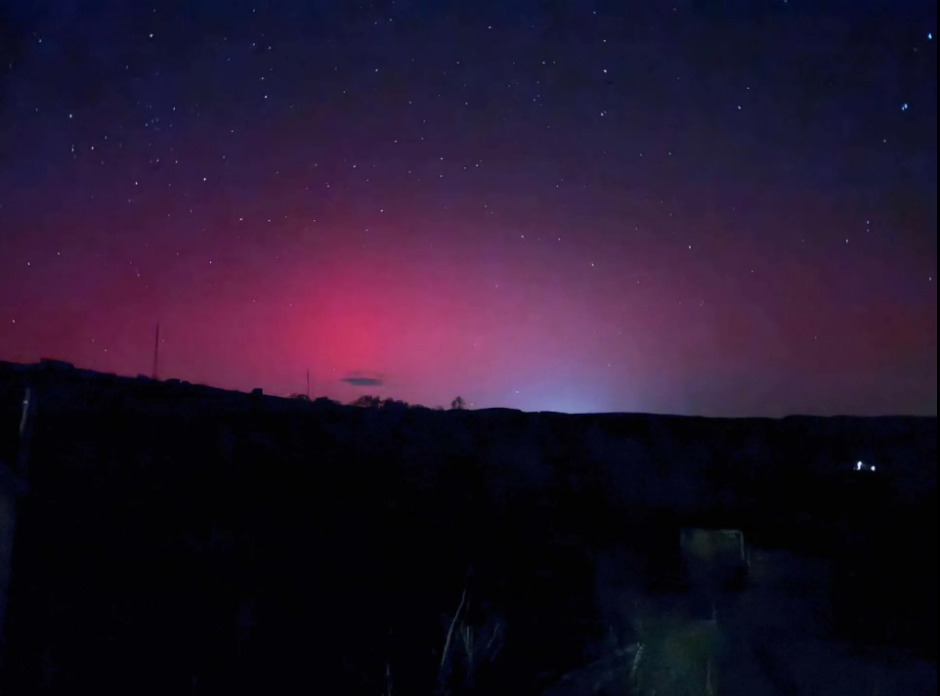
The current storm is producing aurora borealis, including in regions where they are not normally seen.
The Facebook page "Meteo Trás os Montes - Portugal" has been sharing images of the Northern Lights in various locations in Portugal since Monday night, such as Vila Pouca de Aguiar (Vila Real), Bragança, Macedo de Cavaleiros (Bragança), São Pedro do Sul (Viseu), and Grândola (Setúbal).
There are records of the Northern Lights being shared on social media in several European countries.
The current storm was triggered by "a strong solar flare that occurred yesterday [Sunday]," Dahl explained.






 English
 Nederlands
 Deutsch
 Français
 Español
 Italiano
 Svenska
 Pусский
 中文
中文 Türkçe
 Português
 Polski
 عربي
عربي Suomi
Suomi עִברִית
 Português (Brasil)