

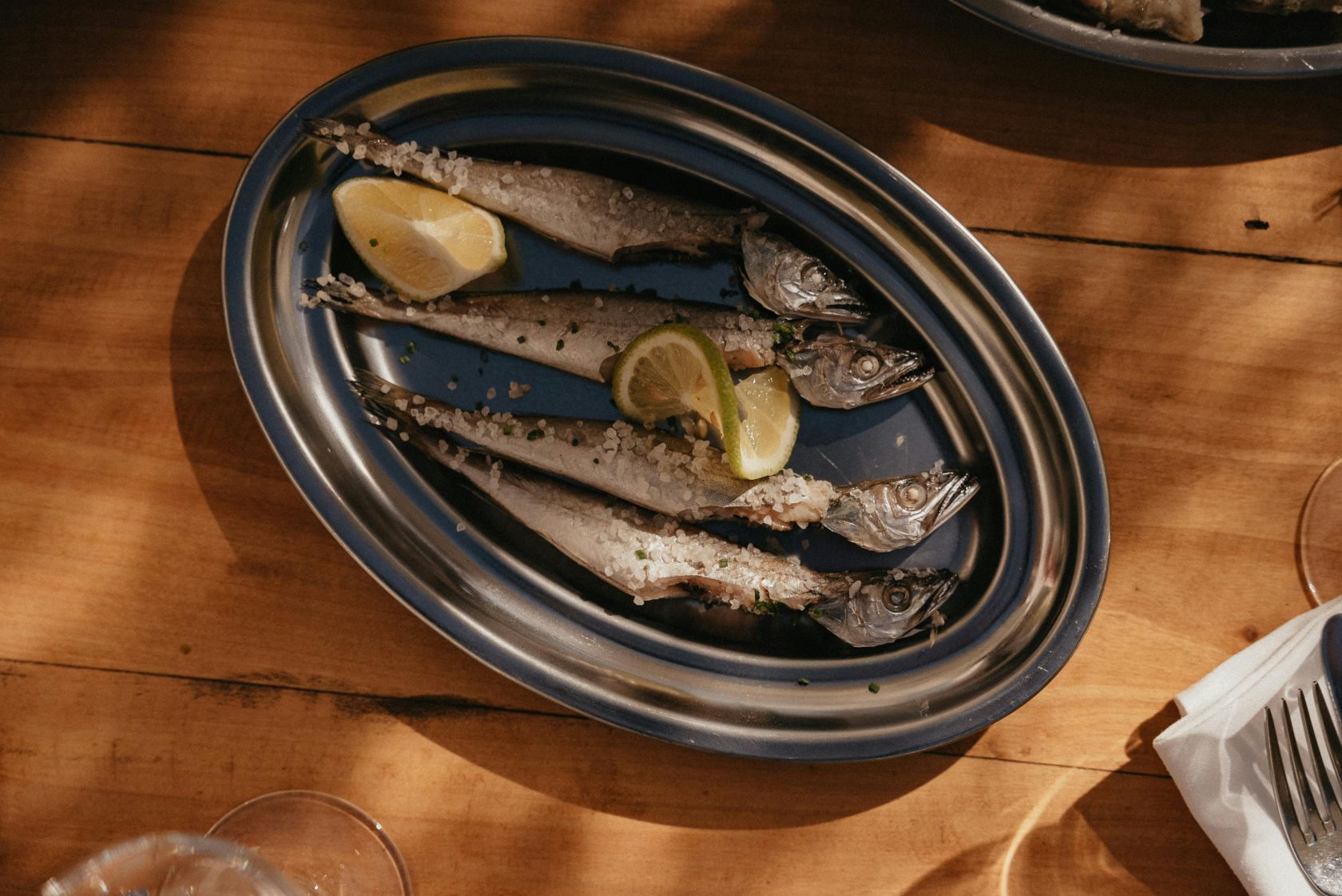
This no doubt applies to the whole of Portugal, as most cafes and snack bars offer sandwiches and pastries for prices that won’t break the bank.
Bargains to be had
Profits are likely made by focusing on high-margin items like coffee and local wine, controlling costs through tight inventory management, with maybe the tech-savvy ones using the internet to attract tourists and locals. Key strategies might include offering set menus at lunchtime; perhaps just a few easy-to-prepare or cost-effective specials, and throwing in soup, bread and olives, a glass of wine, and maybe dessert and a coffee as an added lure to get people through the door. Many places that are bursting with customers at lunchtimes are a good testament to their popularity, and many are locals on their lunch break, enjoying the special menu meal before going back to work. Personally, I don’t know how they do it - I confess a three-course meal in the middle of the day induces a food coma for me, where I barely have the energy to turn on the TV when I get home, let alone going back to work.
Eating out in Portugal is exceptionally affordable and often nearly as cheap as cooking at home, particularly for lunch. ‘Prata do Dia’ (menu of the day) offers can start at around €10, while dinner at local, non-touristy restaurants can be found for around €15+. Now, for me, who doesn’t like cooking, it is a viable, budget-friendly alternative to slogging over a hot stove, particularly in the summer months.
Special occasions
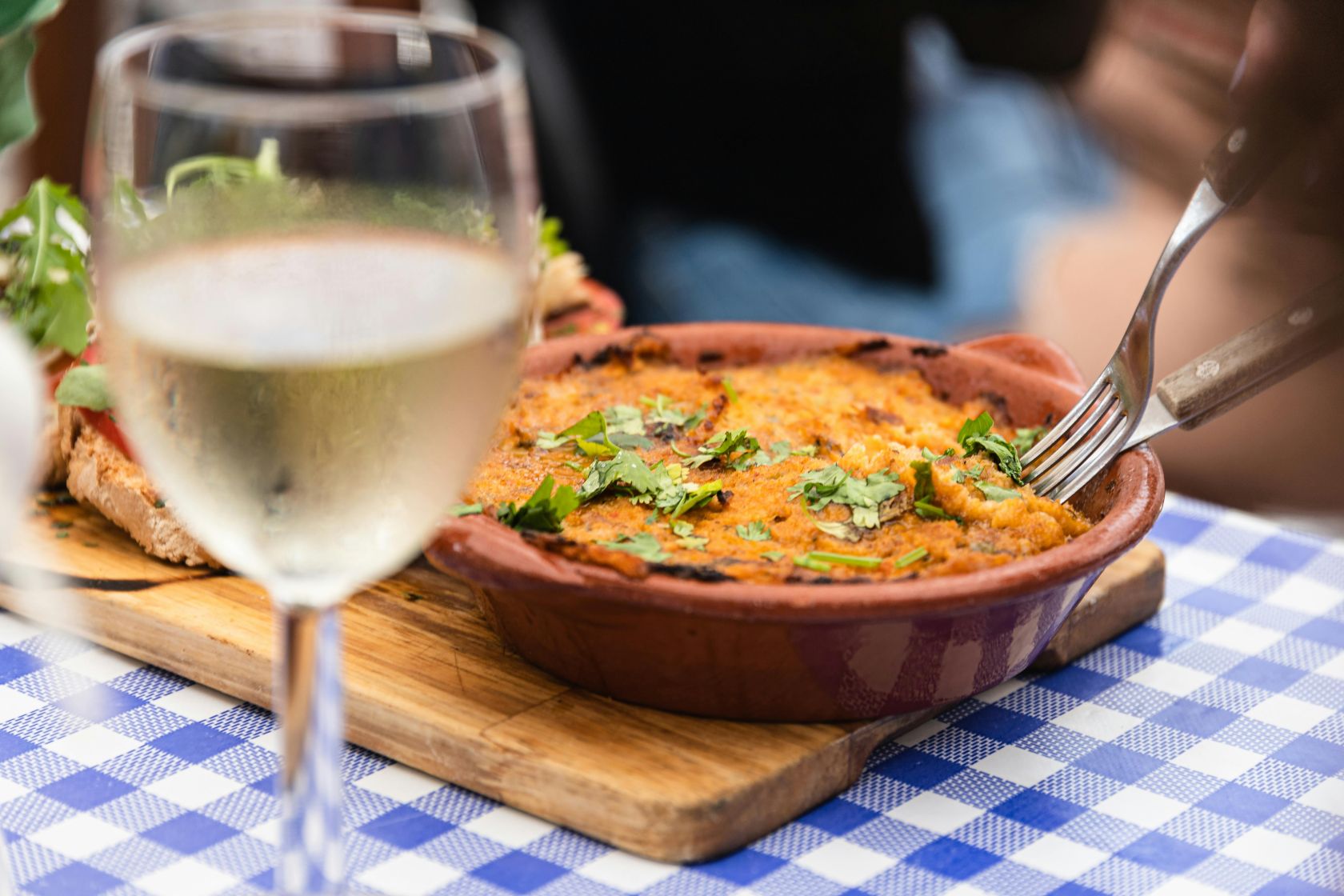
I was invited to a birthday get-together last weekend at a place I hadn’t been before, and the host had arranged a special menu for the event. This was for around 30 guests, on top of the restaurant’s regular customers – and we almost took over, and certainly made the most noise. But what a menu! All traditional Portuguese food, squid, local cheese, meatballs, local bread, bacalhau and a pork dish I have never seen before, espinafres e carne da porco a portuguesa - all delicious. Even the crockery was in traditional Portuguese style, and the décor was clean, fresh and inviting. Parking was good, which was an added bonus, and the staff were first-class – attentive and good-humoured. I will definitely go there again.
Finding a treasure
Although there are many cafes and restaurants dotted around Portugal, the less popular ones need ‘bums on seats’ just to make ends meet. They might be a family business where everyone is involved from the kitchen to the table, but it’s very easy for us to ‘go with the flow’ and dine at places that are recommended, or we traditionally go to through habit. But it wouldn’t hurt us to try somewhere else, maybe hidden away, off the beaten track, maybe looking a little insignificant perhaps. The menu may be smaller, and will almost certainly be something traditionally Portuguese and prepared well, perhaps to an old family recipe that has been passed down, and you can bet the staff will be attentive and do their best to make you want to come back! If they haven’t got what you ask for, they will find a way to offer a very passable alternative. The wine will be good, the bread fresh, maybe the olives home-prepared from their own groves, and the dessert will be delicious.
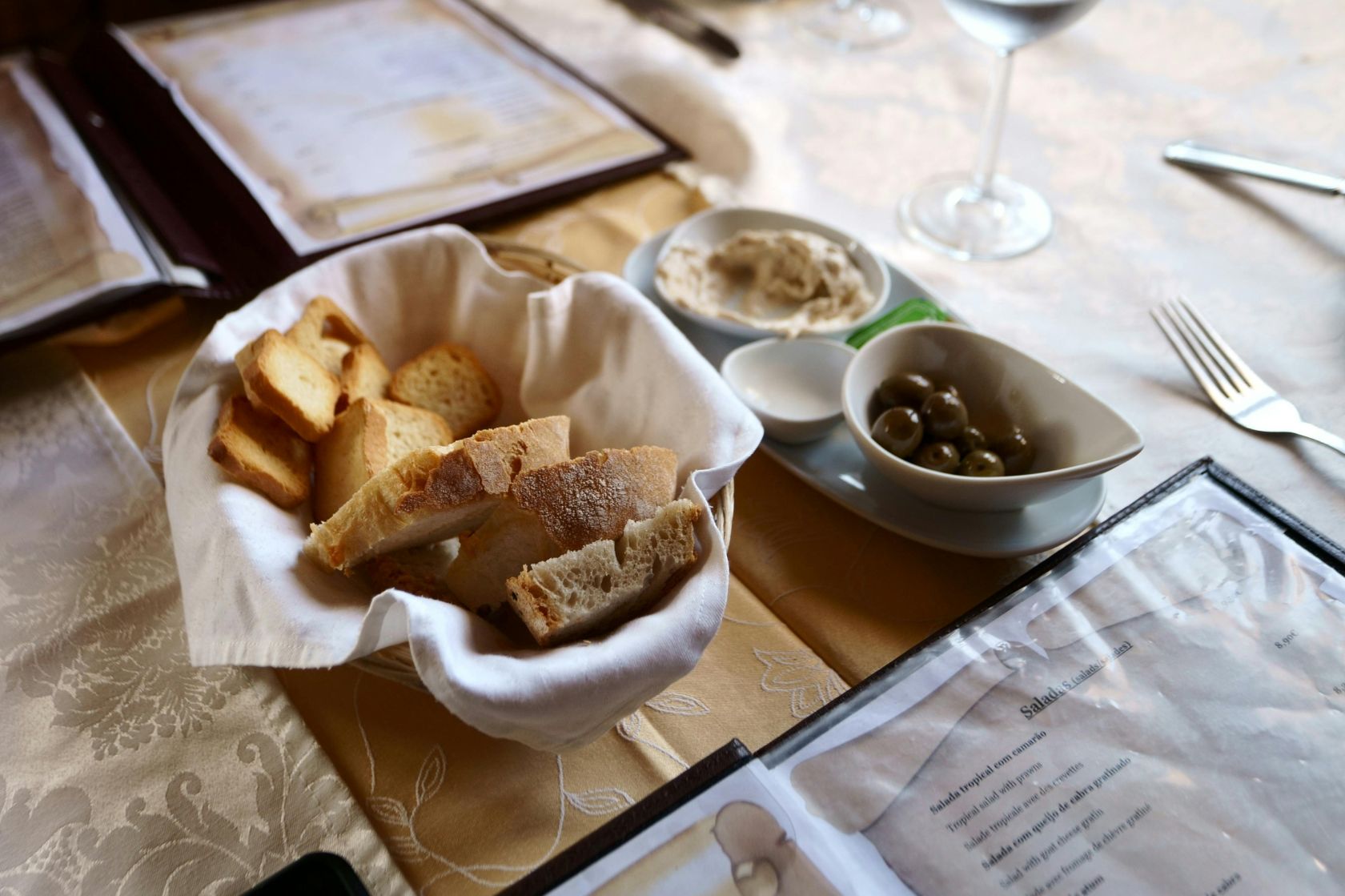
So, if you stumble on a little gem of a place on your travels, pop in and have a meal, and if you like it enough to recommend it to friends, the owners will be more than happy to see new faces. Portugal needs to keep these little places open, not only to provide good food for us, but to keep these little enterprises afloat and possibly keep a local family in business. ‘Shop small, support local’ they say. These businesses are widely considered the backbone of the community and the economy, with many saying that ‘when you support a small business, you may be supporting someone’s dream’.








 English
 Nederlands
 Deutsch
 Français
 Español
 Italiano
 Svenska
 Pусский
 中文
中文 Türkçe
 Português
 Polski
 عربي
عربي Suomi
Suomi עִברִית
 Português (Brasil)