

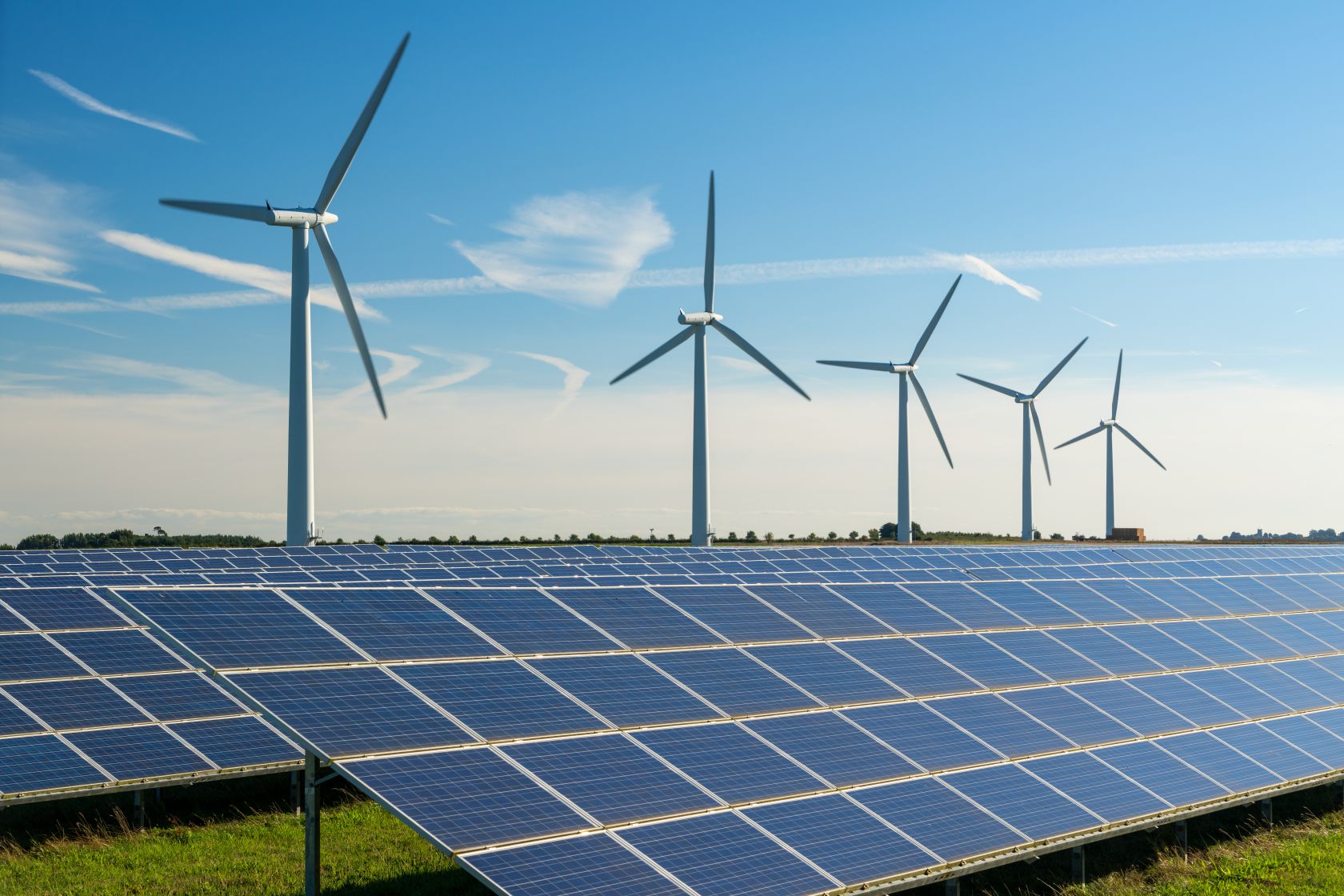
A surplus of sites gives policymakers and renewable energy promoters “flexibility to choose the sites that work best for both energy and the environment,” it states.
The data is part of a study by the environmental organisations The Nature Conservancy and Zero, which today presented a “Smart Siting Guide,” a tool that points out ways for Portugal to reconcile renewable energy goals with nature conservation and reduce conflicts with people.
The research also indicates that up to 70% of onshore wind energy can be achieved in low-conflict areas, with the remaining 30% potentially achievable through the modernisation of existing wind farms.
The work also identified so-called moderate conflict zones, a “strategic reserve with future expansion,” which can be used with careful planning and stakeholder involvement. The two organisations note that “Smart Siting” location data can guide investment in grid improvements, focusing on regions with high renewable energy potential and low conflict, “helping to avoid unnecessary impacts and contributing to an efficient energy supply.”
They also highlight the importance of considering aesthetic values, listening to communities, and ensuring that projects reflect people’s priorities and provide lasting benefits.
The “Smart Siting” guide for Portugal is a scientific modelling and mapping study that classifies the Portuguese territory according to its potential for developing renewable energy projects and its risk of conflict with biodiversity, social values, and communities.
In a statement, Zero says that the guide can be an important basis for political and technical decisions at various levels of the sector (promoters, national, municipal and community entities), “crucial at the current moment of defining Renewable Energy Acceleration Zones,” and “demonstrates that there is enormous potential in Portugal to develop renewable energies in low-conflict zones.”
He also tells Zero that discouraging the development of renewable energies in areas of potential conflict “is not only fair and beneficial for populations and biodiversity, but also for the promoters, allowing for faster projects, with less contestation and a better reputation, ultimately accelerating the energy transition.”
Quoted in the statement, Zero’s president, Francisco Ferreira, recalled that several large-scale solar plants “have generated strong opposition and popular mobilisation in many aspects, resulting from the selection of areas with strong environmental and social impacts.”
In this sense, he considered the study a contribution to overcoming conflicts, reconciling renewable electricity production with respect for the landscape, biodiversity and local populations.”
Portugal has committed to generating 93% of its electricity from renewable sources by 2030.






 English
 Nederlands
 Deutsch
 Français
 Español
 Italiano
 Svenska
 Pусский
 中文
中文 Türkçe
 Português
 Polski
 عربي
عربي Suomi
Suomi עִברִית
 Português (Brasil)