


Endangered creatures are numerous, and many aren’t even known to most of us - we seem to only get to know about the famous ones, unless we specialise in extinction. We know about Giant Pandas because their predicted extinction has become well-known, and steps are being taken to preserve them. Javan rhinos, which are so shy and elusive that they are rarely seen in the wild, are critically endangered, being the rarest rhino species, with not one in captivity anywhere in the world.
All over the planet are birds, bugs, bears and many other beasties that are teetering on the edge of disappearing forever, and preserving them seems to be becoming more and more difficult.
World Wildlife Fund and the IUCN
The World Wildlife Fund and the IUCN (International Union for Conservation of Nature) Red List both keep track of likely doomed creatures, and have a mission to conserve nature and reduce the threats to life on Earth.
Their work has gone from just saving species and landscapes to addressing the larger global threats and the forces that impact them. They understand that the problems facing our planet are increasingly more complex and urgent, and do their best to direct their resources to protecting vulnerable species, places and communities worldwide.
Saola
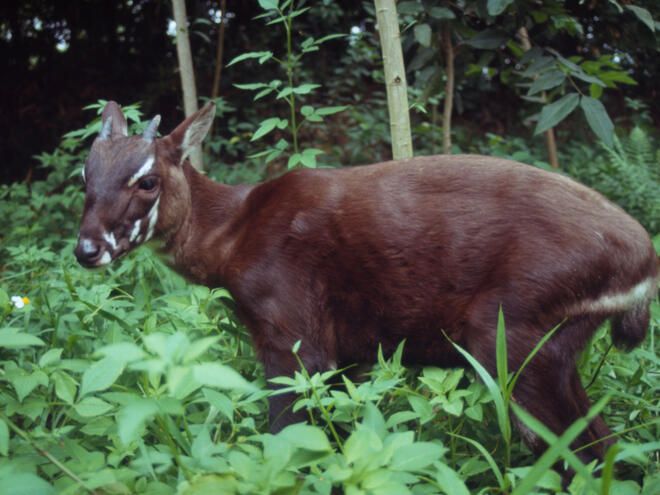
I wanted to take a look at some I didn’t even know existed, let alone are becoming extinct. The Saola (pronounced saw-la), for instance, from the Annamite Mountains of Laos and Viet Nam, are critically endangered too. Often called the Asian unicorn because of their rarity and their elusive nature, they seem as mythical as the unicorn of legend. They are a real species of wild cattle, actually with two parallel horns, only comparatively recently discovered by scientists in 1992. They’re seen so rarely that they are already critically endangered – the last step before extinction. None exist in captivity, and all we know about their existence is from camera trap photographs and a few short-lived captured individuals.
Vaquita
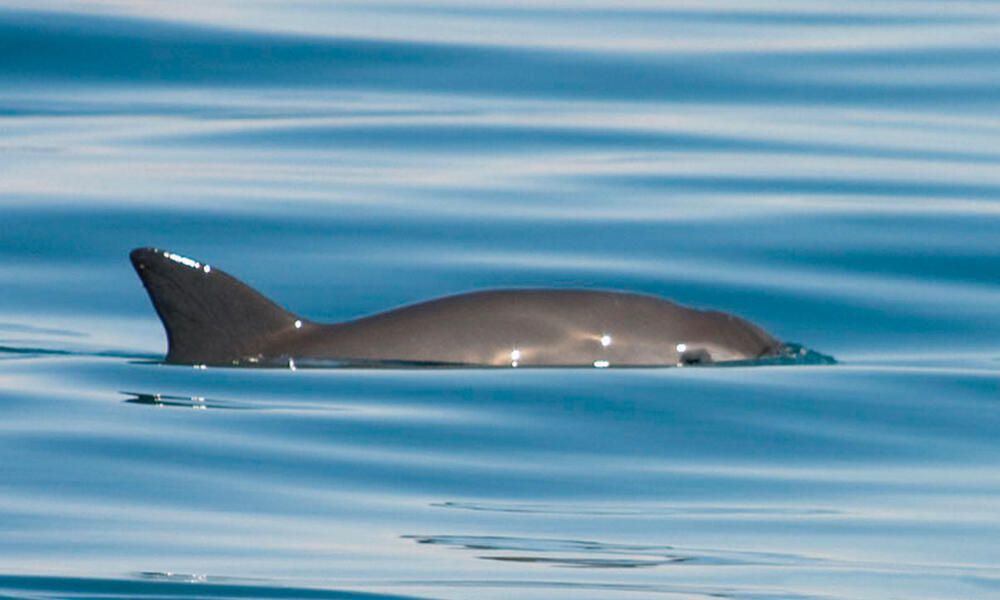
Did you know about the Vaquita (a tiny porpoise in the Gulf of California), apparently having only 10 individuals left? In 1997, there were estimated to be around 600 of them, but apparently, a good 90% of them have been lost as a result of unsustainable and illegal fishing between 2011 and 2016 alone. The plight of cetaceans –whales, dolphins and porpoises – as a whole is exemplified by the rapid decline of the vaquita.
Bumblebees
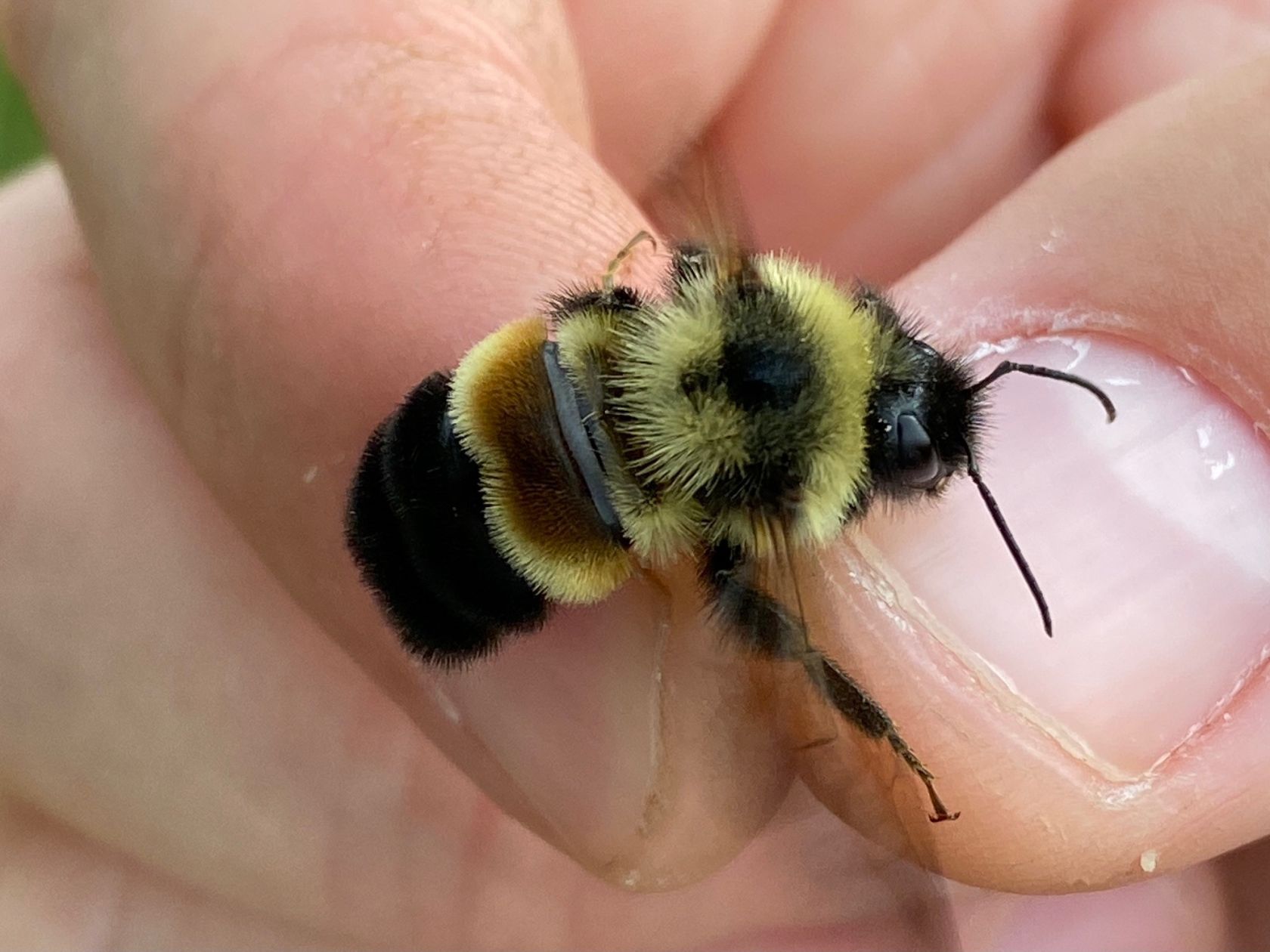
I think we are all aware that the loss of bees and pollinators could have a disastrous effect on life, and a study in the U.S. Midwest shows that at least four out of 16 bumblebee species there had completely died out, while eight others were facing vulnerability - intensive agriculture and pesticide use being identified as key factors for their decline.
Butterflies
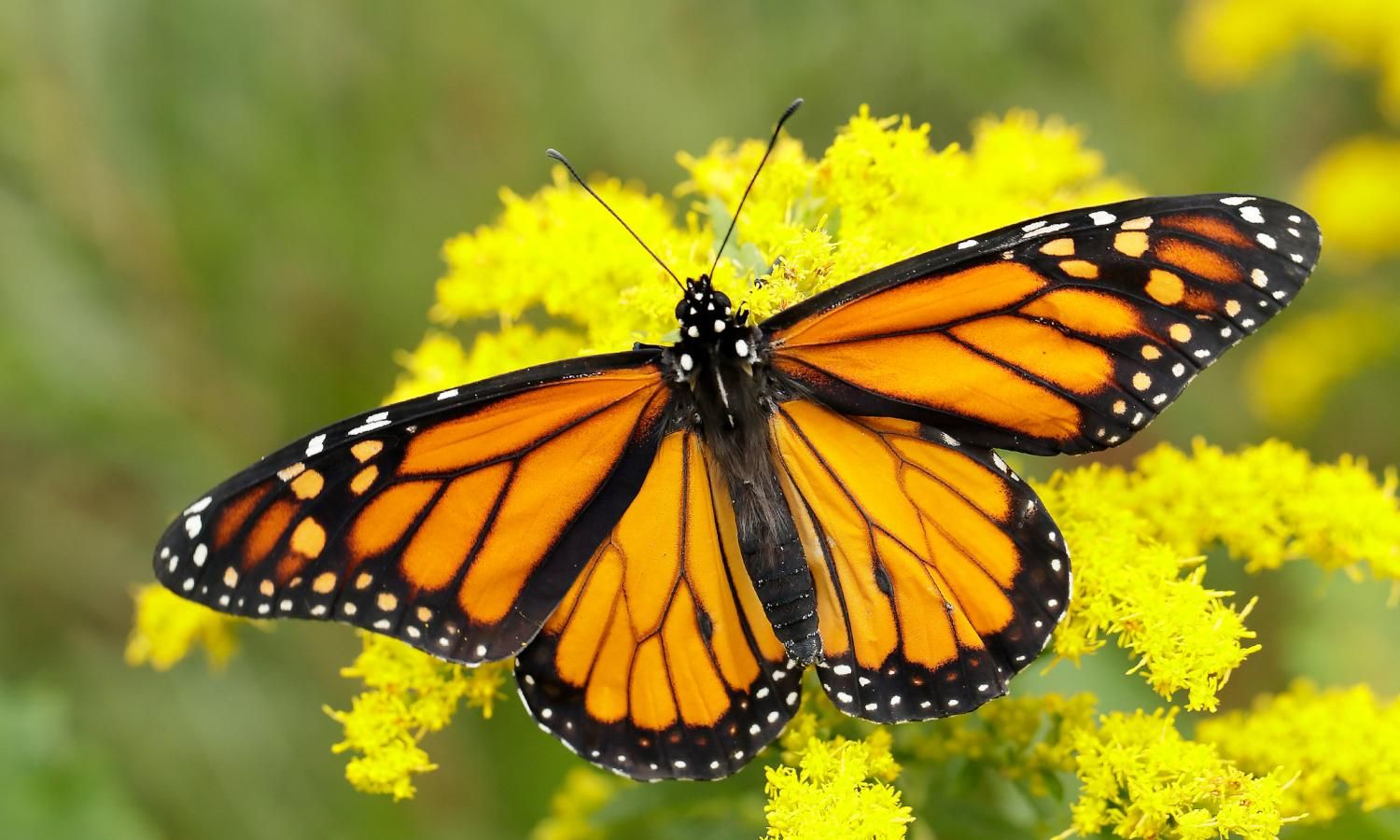
The western monarch butterfly population has declined to such an extent that experts predict a 98-99% probability of extinction within 60 years. A report from the Endangered Species Coalition identifies monarchs as one of 10 species in peril because of insecticides, herbicides and rodenticides that are used on crops, commercial and industrial developments, as well as homes and lawns. Some popular herbicides used to target weeds in domestic gardens also kill milkweed, which monarchs depend upon not only as a food source, but also where they lay their eggs. Pat on the back for Portugal in that we have the Portuguese Butterfly Monitoring Scheme, a citizen science project run by TAGIS - Centro de Conservação das Borboletas de Portugal - for tracking butterfly populations and habitats.
What can we do, you might ask?
We need to sit up and pay attention – to protect and restore habitats, support sustainable practices in agriculture and land use, reduce the effects of climate change, and conserve existing species. Make sustainable consumer choices in reducing waste, create wildlife-friendly gardens, support conservation organisations, and participate in local clean-up efforts. Oh, it sounds so easy, doesn’t it, but these are all human choices we alone can make. We alone are responsible, and we collectively should advocate for policies that protect our environment.








 English
 Nederlands
 Deutsch
 Français
 Español
 Italiano
 Svenska
 Pусский
 中文
中文 Türkçe
 Português
 Polski
 عربي
عربي Suomi
Suomi עִברִית
 Português (Brasil)
Follow us on social media