

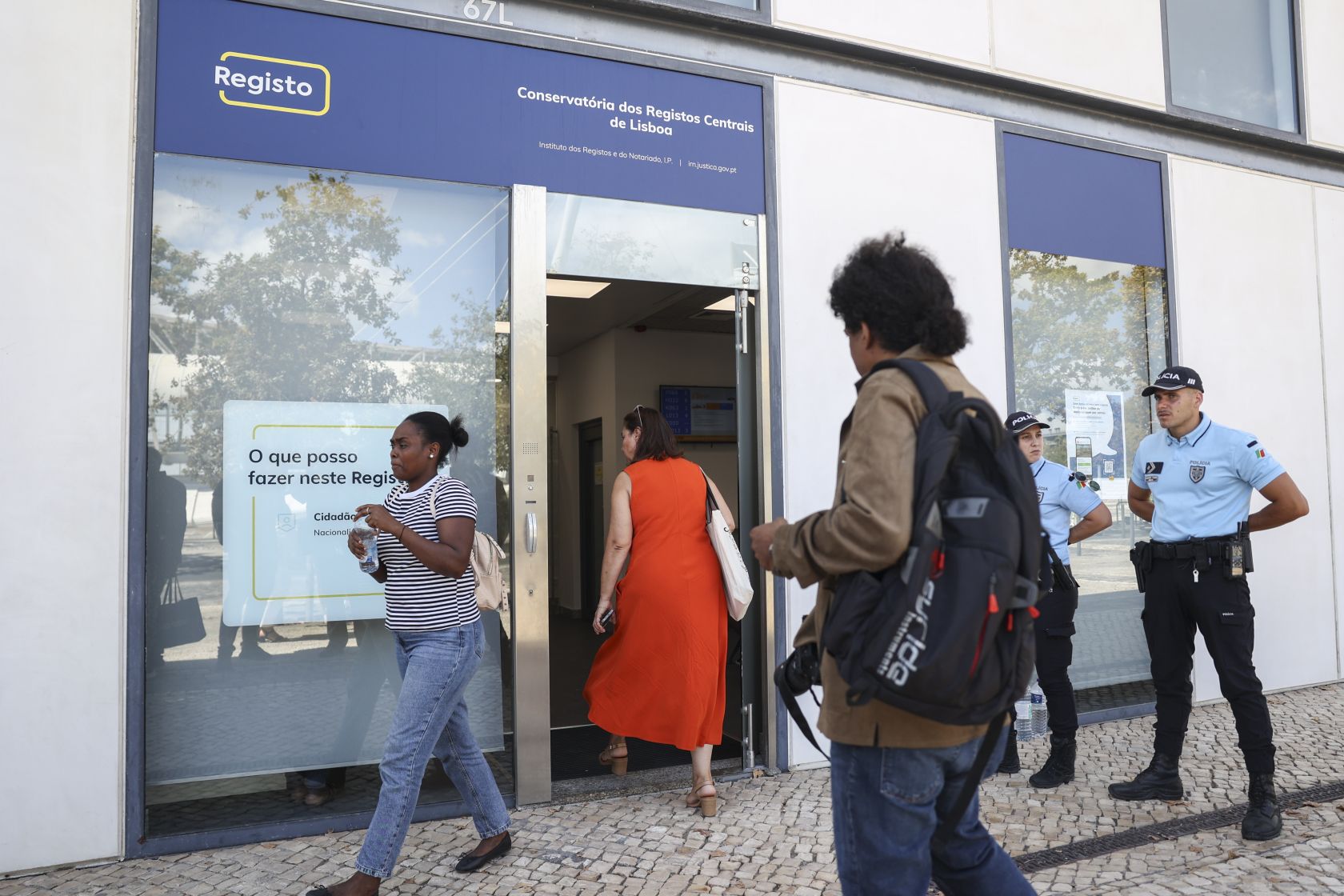
In statements at the end of his official visit to Canada, Emídio Sousa admitted that "there are, in fact, some delays at the Institute of Registries and Notaries", especially in Lisbon, and said that "the Government is already promoting the recruitment of 50 new technicians" to accelerate the processing of applications.
"At this moment it is essentially a matter of reinforcing human resources, and, as soon as this process is completed, I believe the problem will cease to exist," he stated.
In recent months, several leaders and citizens of the diaspora have expressed concern about the delays in validating birth certificates sent by Portuguese consulates, affecting both newborns and adults who are children of Portuguese parents.
In some cases, the processes have been pending for months and, according to reports, the wait can reach up to a year for applications from adults.
Bottleneck
Although the consulates process the applications relatively quickly, the final validation phase at the IRN (National Registry Office) in Portugal has been identified as the main bottleneck.
This difference in processing times between citizens residing in the country and those living abroad has generated criticism of the unequal treatment of Portuguese diaspora citizens, who claim to feel discriminated against.
"The Portuguese government has an obligation to resolve this situation, ensuring that the children of Portuguese citizens, regardless of where they were born, are treated as full citizens," stressed Emídio Sousa.
The official also assured that he has been following the issue "for several months" and that the Ministry of Justice is already implementing concrete measures to reduce response times.






 English
 Nederlands
 Deutsch
 Français
 Español
 Italiano
 Svenska
 Pусский
 中文
中文 Türkçe
 Português
 Polski
 عربي
عربي Suomi
Suomi עִברִית
 Português (Brasil)