

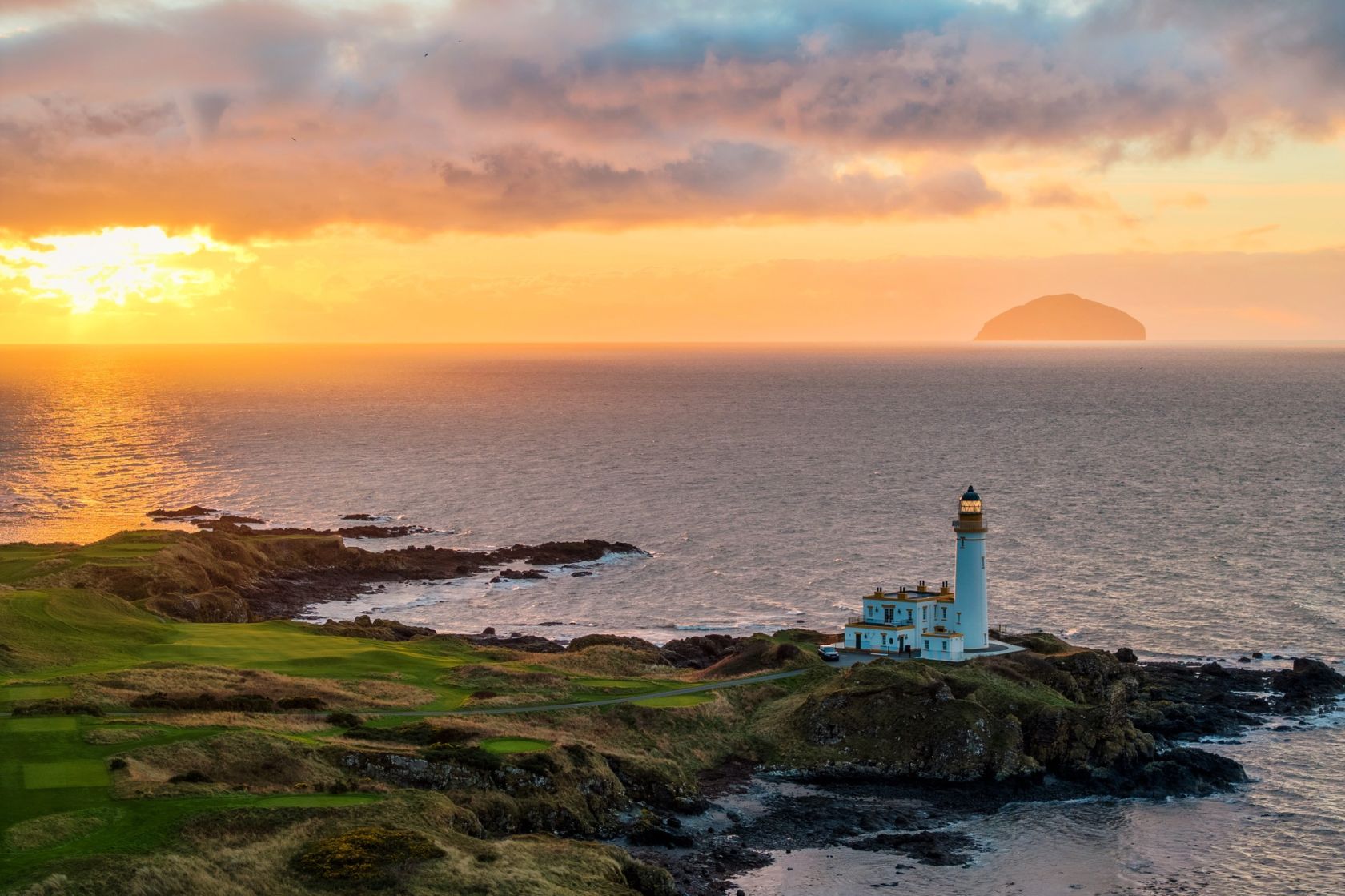
This 17 March, as the world turns green, it is worth looking south to the Iberian Peninsula, where the roots of Celtic Christian faith still run deep.
Born in Roman Britain Patrick became the architect of "Celtic" Christianity. Unlike the rigid structures of continental Rome, this faith was rhythmic, mystical, and deeply connected to nature a spirit shared by the ancient Gallaeci tribes who once inhabited the land from the Douro River in Portugal up to the Cantabrian Sea.
The connection isn't just spiritual; it’s audible. Walk through the historic streets of Santiago de Compostela or the riverside in Porto, and you might hear the unmistakable drone of the bagpipes. In Galicia and Portugal, the gaita (bagpipe) is the soul of traditional music, a direct link to the region's Iron Age "Castro culture" of hillforts and stone circles that mirror those found in Ireland.
For centuries, the Portuguese Way has served as a bridge between these cultures. Pilgrims trekking from Portugal toward the shrine of Saint James in Santiago de Compostela pass through a landscape that St. Patrick would have found remarkably familiar: rain-slicked green hills, Romanesque stone churches, and a shared devotion to the "Island of Saints".
Where ever you celebrate the message of St. Patrick’s Day remains universal: a celebration of resilience, faith, and the enduring bonds of the Atlantic Celtic world.
Christ The King Anglican Church Algarve






 English
 Nederlands
 Deutsch
 Français
 Español
 Italiano
 Svenska
 Pусский
 中文
中文 Türkçe
 Português
 Polski
 عربي
عربي Suomi
Suomi עִברִית
 Português (Brasil)