

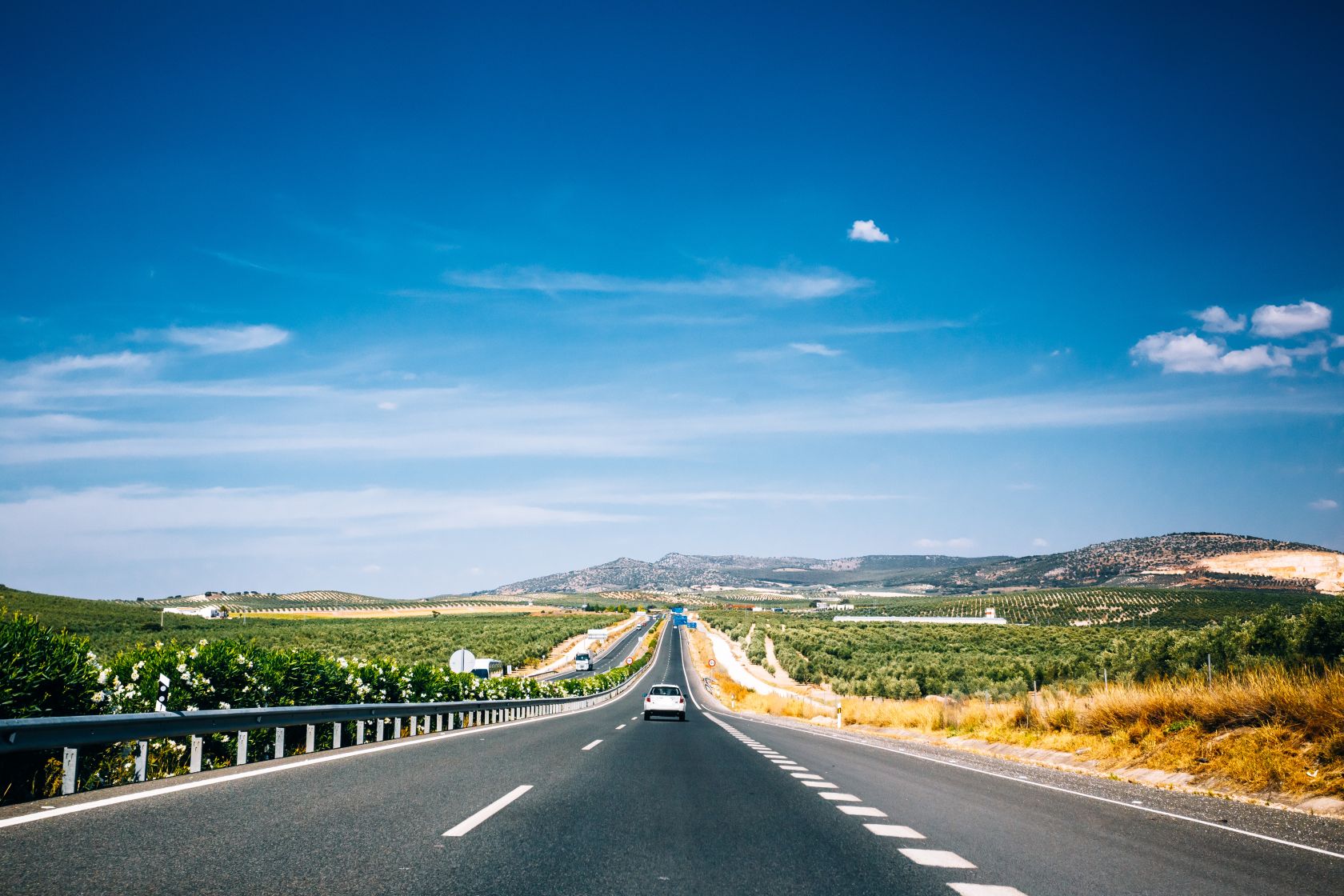
Many travellers look for alternatives to flying, and taking to the highways is a way to discover both flexibility and excitement.
Preparing for the journey
Before hitting the road, a bit of preparation can be key to ensuring a smooth trip. Here are some basic factors to consider:
Documentation and insurance
It’s wise to make sure that you have all the necessary paperwork, including your passport. I know this sounds a bit rudimentary, but it pays to make sure your passport is valid for at least six months beyond your planned return date.
The other seemingly obvious one is your driving licence. In the UK, most of us don’t routinely carry our driving licences, but on the continent, of course, it’s considered normal practice.
You’ll also need your Vehicle Registration Document (V5C), MOT certificate and proof of insurance. Check your insurance cover is sufficiently comprehensive and upgrade if necessary.
Good quality European breakdown cover that includes vehicle repatriation and onward travel is another essential. Having the right cover could save you a whole lot of heartache and money.
Other than the above, your UK Global Health Insurance Card (GHIC) might be helpful: GHIC gives you smoother access to healthcare services in the EU if needed. I’m sure I needn’t even mention travel insurance. Very few people travel without it these days.
Vehicle preparation
I make doubly sure that my vehicle is 110% roadworthy before embarking on any European road trip. Hopefully, this will avoid any unnecessary mishaps during the journey. For me, a comprehensive automotive checkup means a good look at tyres, including the spare. Good brakes with healthy pads & discs are another essential. The last thing anyone needs is to waste time fixing unnecessary problems.
I think most motorists routinely check their oil, coolant, brake fluid, and screen wash before and during trips. Again, it sounds pretty rudimentary, but I like to check my lights, including brake lights, headlights and indicators. These days, it may not be a straightforward job to swap out a faulty bulb.
Emergency kit
There are different rules across territories, so it’s sensible to look up the local requirements. Places like Halfords sell kits that include a basic first-aid pack, a warning triangle, a reflective vest and some basic tools. You’ll need your (UK) sticker, headlamp beam deflector [stickers] and a simple breathalyser. Spare glasses aren’t a bad idea anywhere, but they’re mandatory in France.
Route planning
Determine your route based on your preferences, whether you wish to drive through major cities, picturesque rural areas, or scenic coastal roads - it’s all good. Popular routes typically lead travellers through both France and Spain. The most common driving routes include:
Via Ferry
Sailing from Portsmouth or Plymouth to cross over to northern France (Caen, Le Havre, or Cherbourg).
Eurotunnel
Drive to Folkestone and take the Eurotunnel to Calais. This is a great way to take a drive through France, using the extensive motorway network before crossing into Spain.
Route suggestions
Choosing a specific route can enhance your experience. The following is based on the Algarve being the destination.
Calais to Rouen might be a good starter. Once in Rouen, you can relax and admire its medieval architecture. Continue south to Le Mans, known for its historic racing circuit and the beautiful medieval city. Stopover in magical Bordeaux and take in the endless vineyards of Bordeaux along the way.
The breathtaking city of San Sebastián in the glorious Basque Country is a truly exceptional place to visit. Excellent wine, locally produced cider and top-end (occasionally quirky) gastronomy epitomise the essence of this uniquely stunning location.

From here, you can explore the heart of Spain by either heading towards Salamanca or by aiming for the hustle and bustle of Madrid. Then, head west towards the Portuguese cities of Coimbra and Lisbon.
Choose the motorway route from Lisbon to the Algarve or hug the west coast down towards Aljezur, arriving at either Vila do Bispo & Sagres or the busier resort town of Lagos. Whichever route you choose, the Algarve will be your oyster.
Other travel tips and etiquette
Driving through multiple countries comes with unfamiliar rules and other cultural norms. Familiarise yourself with speed limits, which vary by country. In the UK, it’s 70 mph on motorways, whilst in France, it’s 130 km/h (81 mph). In Spain, it’s 120 km/h (approx. 75 mph).
To be 100% safe, it is clearly best to avoid alcohol when driving. Period. However, each country will have different legal blood alcohol limits. Logically, avoiding alcohol is the best means for drivers to avoid any costly mistakes.
Tolls, taxes and fuel
Many of the motorways in France, Spain and Portugal have tolls. Make sure to keep some cash or a credit/debit card handy. The A22, amongst others, is now toll-free (from 2025). However, not all motorways in Portugal are toll-free. Fees (where applicable) can be paid by several means, including cash and credit/debit cards. On some motorways, your vehicle details are logged through electronic camera systems such as Via Verde.
Fuel
Refuelling options can vary significantly, especially in remote areas. Make sure you are aware of available service stations and top up when opportunities present. Prices also vary by country.
Summary
So, a road trip to the Algarve is not just about getting there; it’s about experiencing various cultures, sights and attractions along the way.
France brings us Normandy and the famous D-Day landing sites. See the stunning cliffs at Étretat or the historic town of Bayeux, home to its famous tapestry.
Nicknamed the “Garden of France, the Loire Valley and its magnificent châteaus also await.
Spain also offers far too many options to list in just one article. But whichever way you choose to travel, you’re guaranteed a multitude of treats.
Once you’ve arrived in Lisbon, why not soak in the vibrant atmosphere of this magnificent capital city? Ride the iconic trams, explore the historic neighbourhoods of Alfama and Belém.
Sintra is just a short drive from Lisbon. Visit fairy-tale palaces and lush gardens of this UNESCO World Heritage site whilst sipping ‘ginjinhas’ served in tiny chocolate cups from quirky little servery windows dotted around the town.
Once you’ve taken as much of Lisbon as your timescale permits, the Algarve, known for stunning beaches and dramatic cliffs, will provide the perfect end to your journey.
Driving to Portugal from the UK is undoubtedly an ambitious yet rewarding adventure. As we’ve seen, exploring diverse cultures, tasting regional cuisines and seeing breathtaking landscapes come as a default. With proper planning, your road trip will become a memorable excursion filled with unique experiences.
Whether you’re travelling solo, as a couple or with family in tow, every mile driven will bring you closer to the sun-drenched shores of the Algarve.
Safe travels!







 English
 Nederlands
 Deutsch
 Français
 Español
 Italiano
 Svenska
 Pусский
 中文
中文 Türkçe
 Português
 Polski
 عربي
عربي Suomi
Suomi עִברִית
 Português (Brasil)