


In the decree published in the Diário da República (Official Gazette), the Government declares the quadrupling of the Minho Line between Contumil and Ermesinde to be of "essential public utility." This stretch includes the municipalities of Gondomar (parish of Rio Tinto), Maia (parish of Águas Santas), and Valongo (parish of Ermesinde).
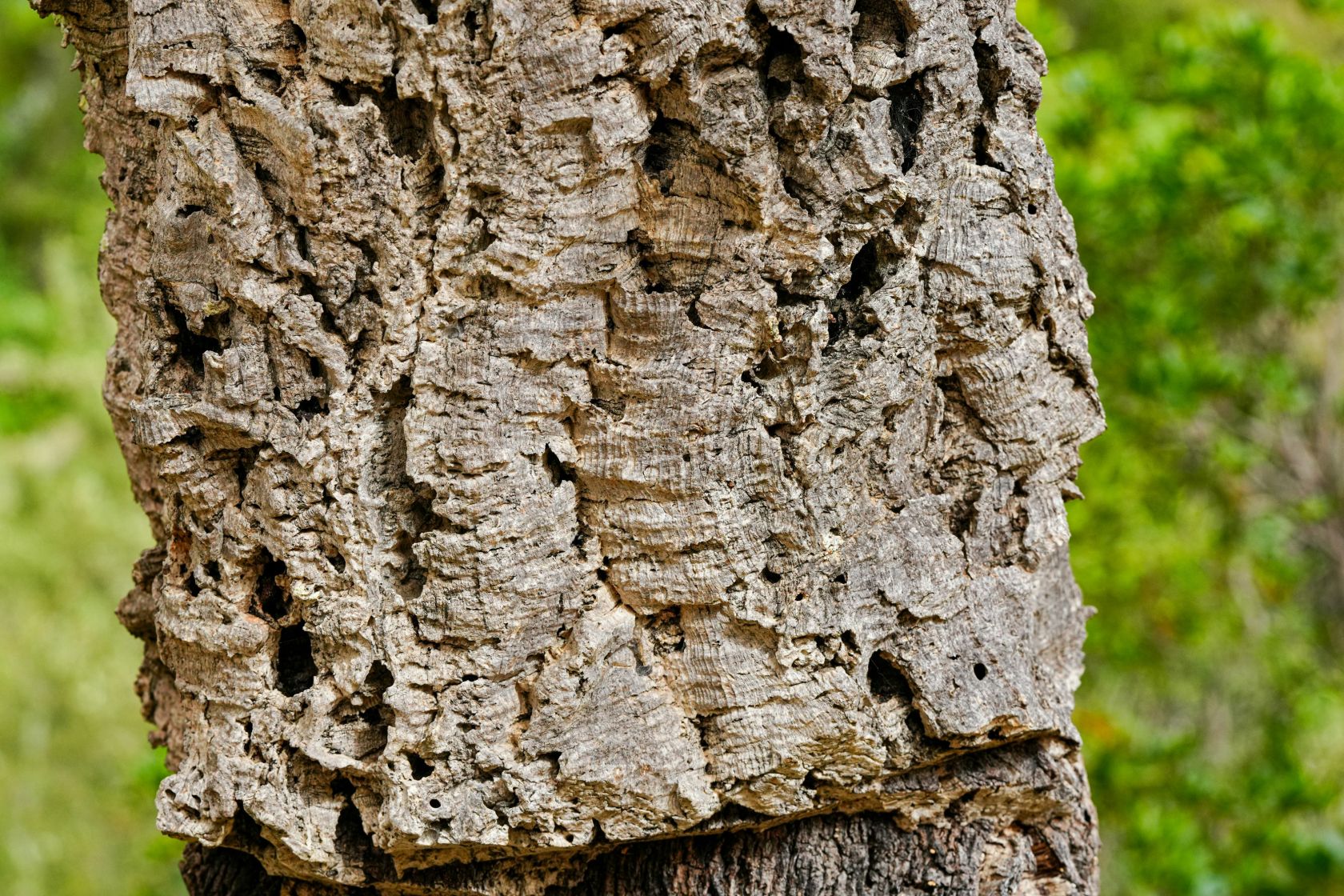
The order was signed by the Secretary of State for Infrastructure, Hugo Morato Alface do Espírito Santo, and the Secretary of State for Forests, Rui Miguel Ladeira Pereira. It states that the felling of cork oak trees is conditional upon the presentation of a lease agreement between the applicant and the management board of the Moimenta and Rabiçais Common Lands. This agreement must be for a plot of common land for the compensation project.
The Government recognises the relevant public, economic, and social interests of this undertaking. It cites its sustainability, as it will improve operating conditions on the Minho and Douro lines and the rail service in the Porto Metropolitan Area. This project will improve service reliability and operations, making rail transport more appealing to the population.
It also states that within the project, improvements are being made to existing stations, particularly at the interfaces near Rio Tinto Station and the Palmilheira-Águas Santas Halt. This is to promote integrated transport and encourage rail travel between municipalities, especially for accessing Porto, the main economic driver and employer in the area.
IP presented a compensation project and its management plan. This plan includes planting 2,138 cork oaks and strawberry trees, totalling 2,138, across about 5,119 hectares in the Moimenta and Rabiçais Common Lands in the parish of Cavez, in Cabeceiras de Basto. The area has suitable edaphoclimatic conditions.
The works were subject to an environmental impact assessment procedure during the execution phase of the project, and a favourable decision was issued, conditional upon compliance with the terms and conditions set out in the decision.
The Government justifies the works due to the lack of viable alternatives to the project's location, as they involve widening the channel space allocated to an existing section of the Minho railway line to allow its quadrupling.
The project is not located in areas integrated into the National System of Classified Areas, nor does it include areas subject to forestry regulations, and the Northern Regional Agricultural Reserve Entity has issued a favourable opinion on the use of areas integrated into the National Agricultural Reserve.






 English
 Nederlands
 Deutsch
 Français
 Español
 Italiano
 Svenska
 Pусский
 中文
中文 Türkçe
 Português
 Polski
 عربي
عربي Suomi
Suomi עִברִית
 Português (Brasil)
Follow us on social media