


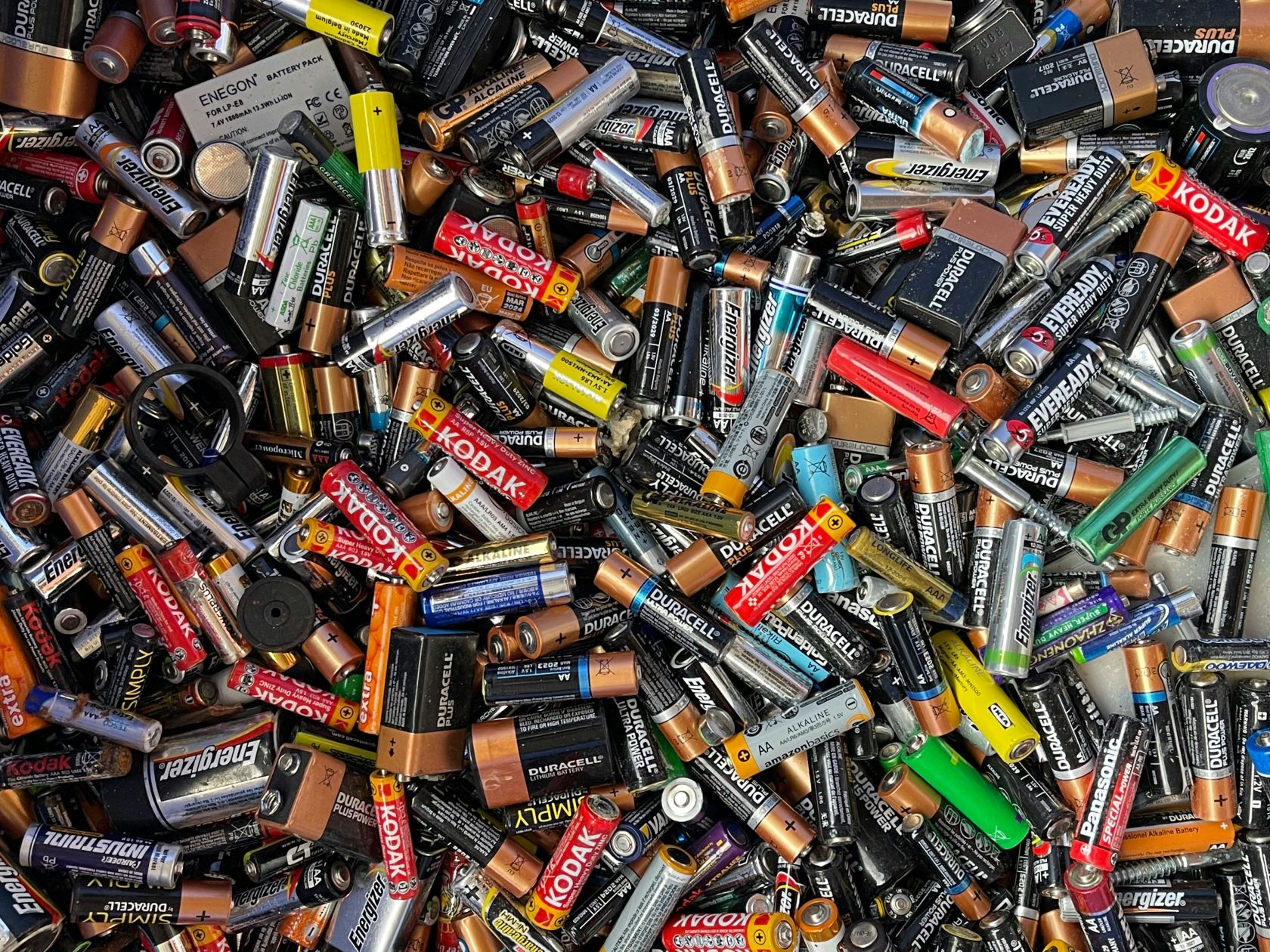
Electrão also stated that 1,369 tons of this waste were recovered.
According to data from the association, in 2025, the Eletrão network also offered 10,000 collection points throughout the country, 572 more than the previous year, with the collection of industrial batteries leading the way with a 26% growth, while electric vehicle batteries already represented one per cent of the total.
Industrial batteries
Regarding industrial batteries, mainly from business activities, which registered a 26% increase last year, the collection and recycling of these devices increased from 957 to 1,201 tons, the organisation added.
Portable batteries
Regarding so-called "portable batteries" (used in everyday electrical equipment, such as remote controls, toys, etc.), the Eletrão network collected and sent for recycling 17% more than in the previous year, increasing from 412 to 481 tons.
Vehicles batteries
Batteries from electric vehicles and batteries from light transport vehicles, such as electric bicycles and scooters, already represent 1% of the collected material, according to the data, adding that a total of 23.3 tons of batteries from these forms of mobility were collected, "which already has a significant presence, especially in urban areas, with a tendency to intensify."
Operational effort
According to Ricardo Furtado, Director of Electrical and Battery Products at Eletrão, quoted in a press release, “these results are the fruit of operational effort, but also constitute a clear sign that Portugal is positioning itself to respond to the biggest European challenge of the next decade — autonomy in terms of critical raw materials.”
The data indicates that in 2025 the Eletrão network continued to grow, with a 25% increase in collection points (10,307 nationwide), 572 more than in 2024.
“The increase in the number of collection points – which can be consulted at www.ondereciclar.pt – is fundamental to the results achieved, which has only been possible in collaboration with municipalities, distributors, companies and institutions, and waste management operators,” Eletrão states, noting that “all stores that sell these products must ensure the collection of batteries and accumulators delivered by citizens, and this constitutes a channel with great potential.”
“Not just waste”
“Batteries are not just waste: they are sources of lithium, cobalt, and other materials on which Europe depends. Recovering them, more than a good environmental practice, is a geopolitical strategy,” it reminds, underlining that “also for this reason,” the European regulation on critical raw materials places recycling as a strategic priority.
The European Union wants to “ensure that 25% of critical raw materials come from recycling, which presupposes the need to identify, separate, and process waste that, until now, was lost in conventional streams,” states Eletrão, exemplifying that lithium-ion batteries, for example, contain valuable materials that were previously “diluted” in common metals such as iron, aluminium, or steel.
Batteries, especially lithium-ion batteries, present in more and more everyday equipment, represent a significant fire risk when damaged, incorrectly stored, or discarded, it warns.






 Portugal Handbook
 English
 Nederlands
 Deutsch
 Français
 Español
 Italiano
 Svenska
 Pусский
 中文
中文 Türkçe
 Português
 Czech
Czech Hungarian
 Polski
 عربي
عربي Suomi
Suomi עִברִית
 Português (Brasil)
Follow us on social media